
How Cross-Border Electricity Grids Strengthen Energy Security
Electricity interconnectors let neighboring countries share power, reserves, and renewable resources. Here is how they work and what makes them resilient.
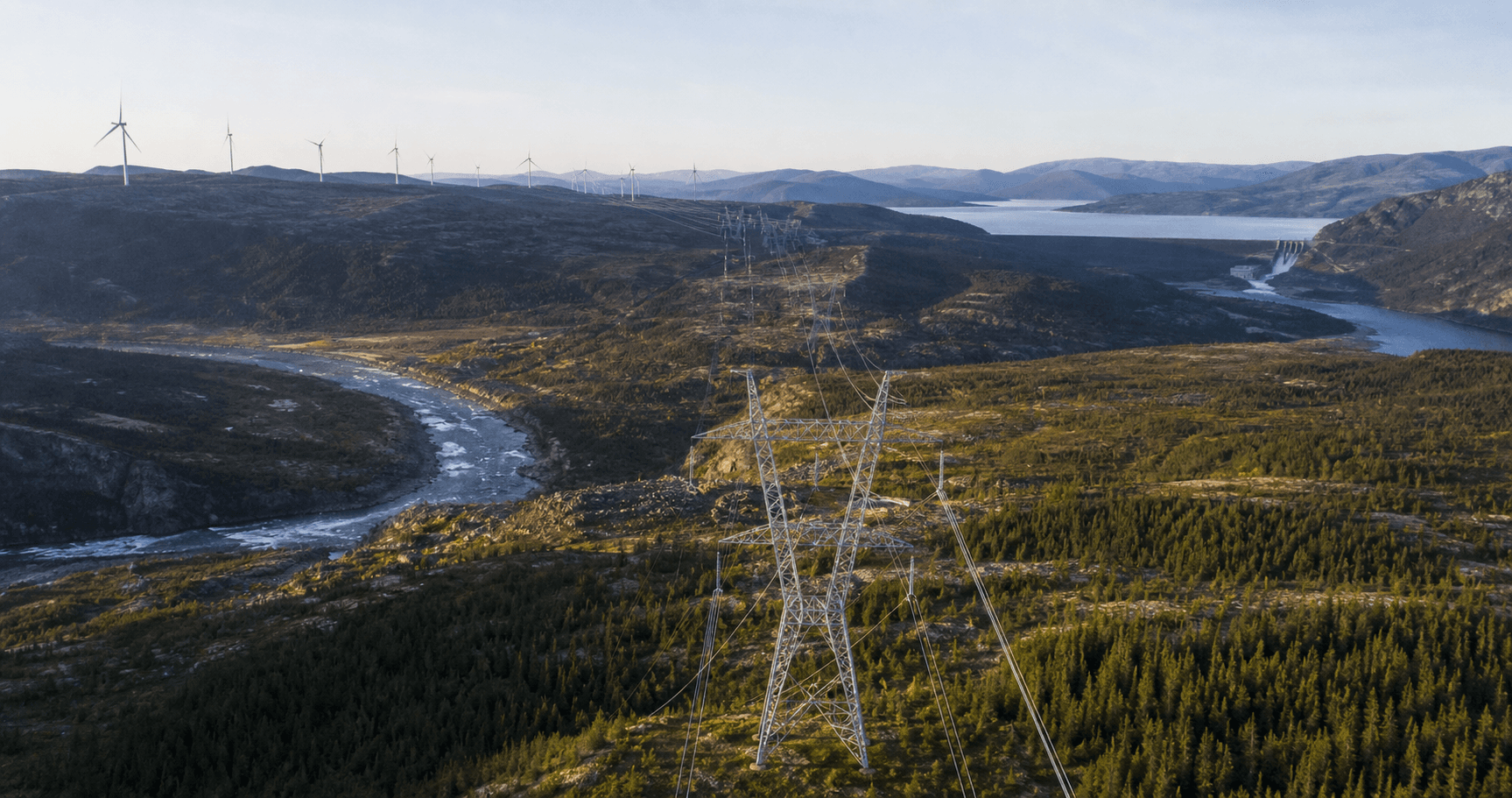
Electricity Can Cross Borders in an Instant
National borders shape laws, markets, and public policy, but they do not have to mark the edge of an electricity system. High-voltage transmission lines can connect neighboring grids, allowing power to move from a region with available generation to one that needs it.
These connections are called interconnectors. Some are overhead lines crossing land borders. Others are submarine cables linking countries across seas. They can support routine electricity trading, provide emergency assistance, and help grid operators balance changing supply and demand.
An interconnector does not make electricity security automatic. It adds another option to the system, but that option depends on physical capacity, compatible technical rules, coordinated operators, and durable political agreements. A strong connection is therefore both an engineering project and a long-term relationship.
What an Electricity Interconnector Does
Every power system must keep generation and consumption closely balanced. Demand changes throughout the day, while power stations, wind farms, solar facilities, hydropower plants, batteries, and industrial loads can all change their output or use.
An interconnector expands the area available for balancing those changes. If one country has more generation than it needs, it can export electricity. If a neighboring country faces a shortfall, it can import. Direction can reverse as weather, demand, prices, and equipment availability change.
The connection is not a dedicated wire carrying power from one named generator to one customer. It joins larger networks. Grid operators schedule and measure flows, keep transmission within safe limits, and preserve reserves for unexpected events.
This regional approach can reduce dependence on a single power plant, fuel, or weather pattern. It follows the same resilience principle seen in other international systems: diverse routes matter as much as total capacity. That lesson also applies to undersea internet cable security, where several connections can still share one geographic weakness.
Larger Systems Can Share Diversity
Electricity demand does not peak everywhere at exactly the same moment. Weather also varies across a region. Clouds may reduce solar generation in one area while another remains sunny. Wind conditions can differ over hundreds of miles. Hydropower output may be abundant in one season while another part of the region relies more heavily on thermal generation or storage.
Connecting these resources creates a larger and more diverse system. That can provide several benefits:
- Shared reserves: Neighboring systems can support each other when a generator or transmission line fails.
- Different demand patterns: A region with spare capacity can supply another approaching its peak.
- More generation choices: Operators can draw from a wider mix of energy sources.
- Reduced curtailment: Surplus wind, solar, or hydropower may be exported instead of being turned down.
- More efficient investment: Countries may avoid duplicating some backup capacity when reliable regional arrangements exist.
Interconnection can therefore improve security and efficiency at the same time. The value is greatest when the connected systems have complementary resources and when transmission is available during the hours it is most needed.
AC and DC Links Solve Different Problems
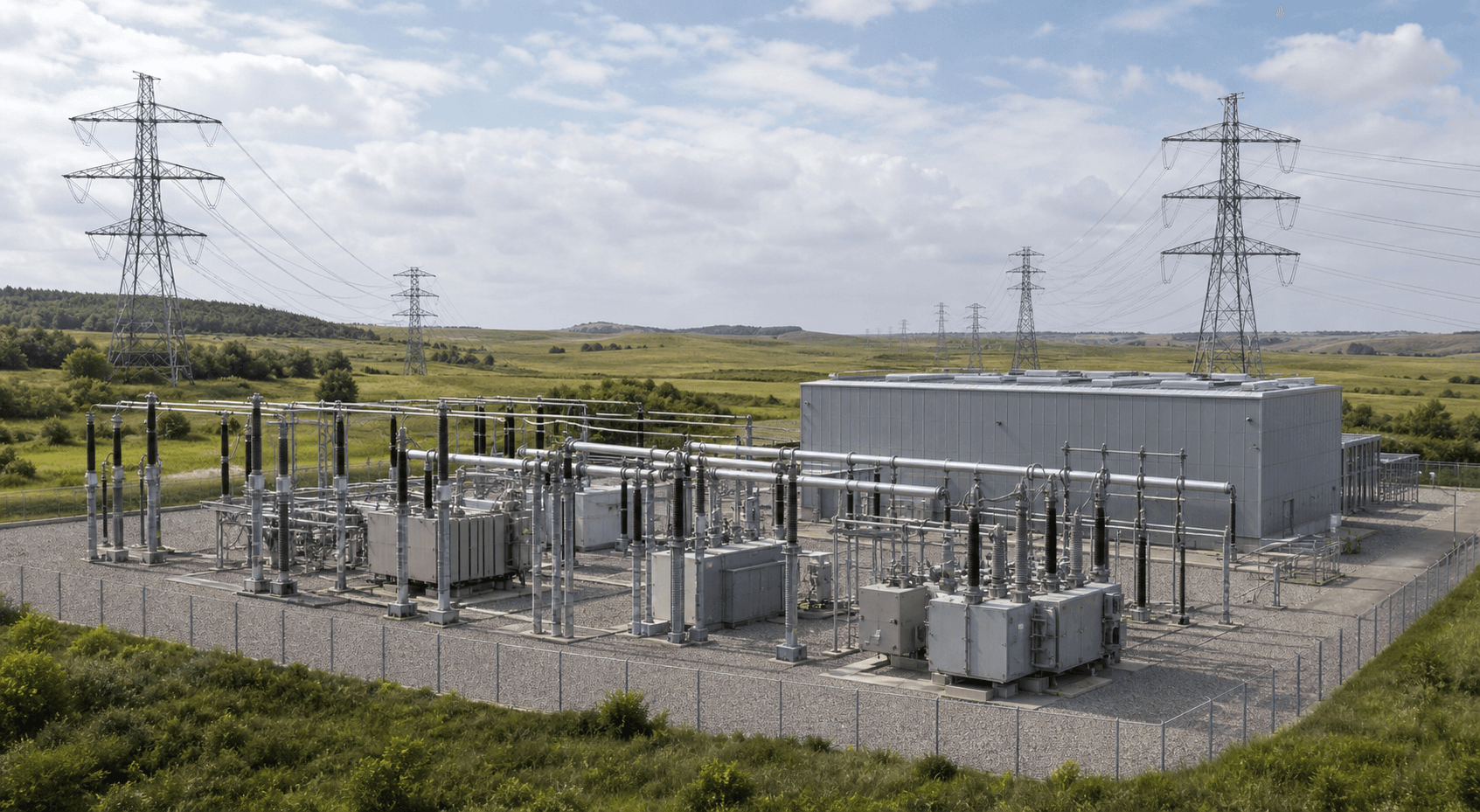
Many neighboring grids are connected using high-voltage alternating current, or AC. When two AC systems operate together synchronously, they share the same nominal frequency and their equipment must remain closely coordinated. A disturbance in one area can influence the wider connected system.
High-voltage direct current, or HVDC, offers another approach. Converter stations change AC electricity into direct current for transmission and convert it back at the receiving end. HVDC can move large quantities of power over long distances and through submarine cables. It can also connect systems that are not synchronized or that operate under different technical conditions.
Neither technology removes transmission constraints. Every link has a rated capacity, maintenance schedule, protection system, and set of operating rules. Power cannot be increased without limit simply because demand rises. Converter stations, substations, cables, and overhead lines all need monitoring, spare parts, skilled crews, and coordinated outage planning.
Interconnectors Help Integrate Renewable Energy
Wind and solar generation vary with weather, but their output is not identical across a whole region. A wider grid can smooth some of that variation by combining resources across different locations and time zones.
When wind generation exceeds local demand, an interconnector can provide access to another market. When output falls, imports, storage, flexible generation, or demand response can help restore balance. Hydropower can be especially valuable where reservoirs allow operators to adjust output, although water availability and environmental limits still apply.
This does not mean interconnectors are a substitute for storage, local transmission, flexible demand, or reliable domestic generation. They work as part of a portfolio. A country that builds renewable capacity without strengthening its internal grid may still be unable to move electricity from where it is produced to the border connection.
Claims about clean-energy breakthroughs also need to be separated from the practical work of connecting real projects. Advances in renewable energy technology create value only when grids, markets, and operating rules can use the electricity reliably.
Dependence Can Create New Risks
An interconnector adds diversity only if planners understand what could make it unavailable. A single cable, substation, or transmission corridor can fail because of equipment damage, severe weather, fire, a marine incident, or deliberate action. Two links that follow the same route may count as separate assets while sharing the same physical hazard.
Tightly connected AC systems also allow disturbances to spread. Protection equipment must isolate faults quickly, and operators need procedures for controlling flows during unusual conditions. Otherwise, a local problem can contribute to a wider cascade.
Commercial and political risks matter too. An importing country may become exposed if it assumes that electricity will always be available during a regional shortage. The exporting country may face the same extreme weather and need its own generation. Contract terms, emergency rules, and public expectations must distinguish normal trading from guaranteed support.
This is why interconnection should not be confused with outsourcing energy security. The goal is mutual resilience supported by domestic capability, not dependence on one neighbor or one route.
Real-Time Coordination Keeps the System Stable
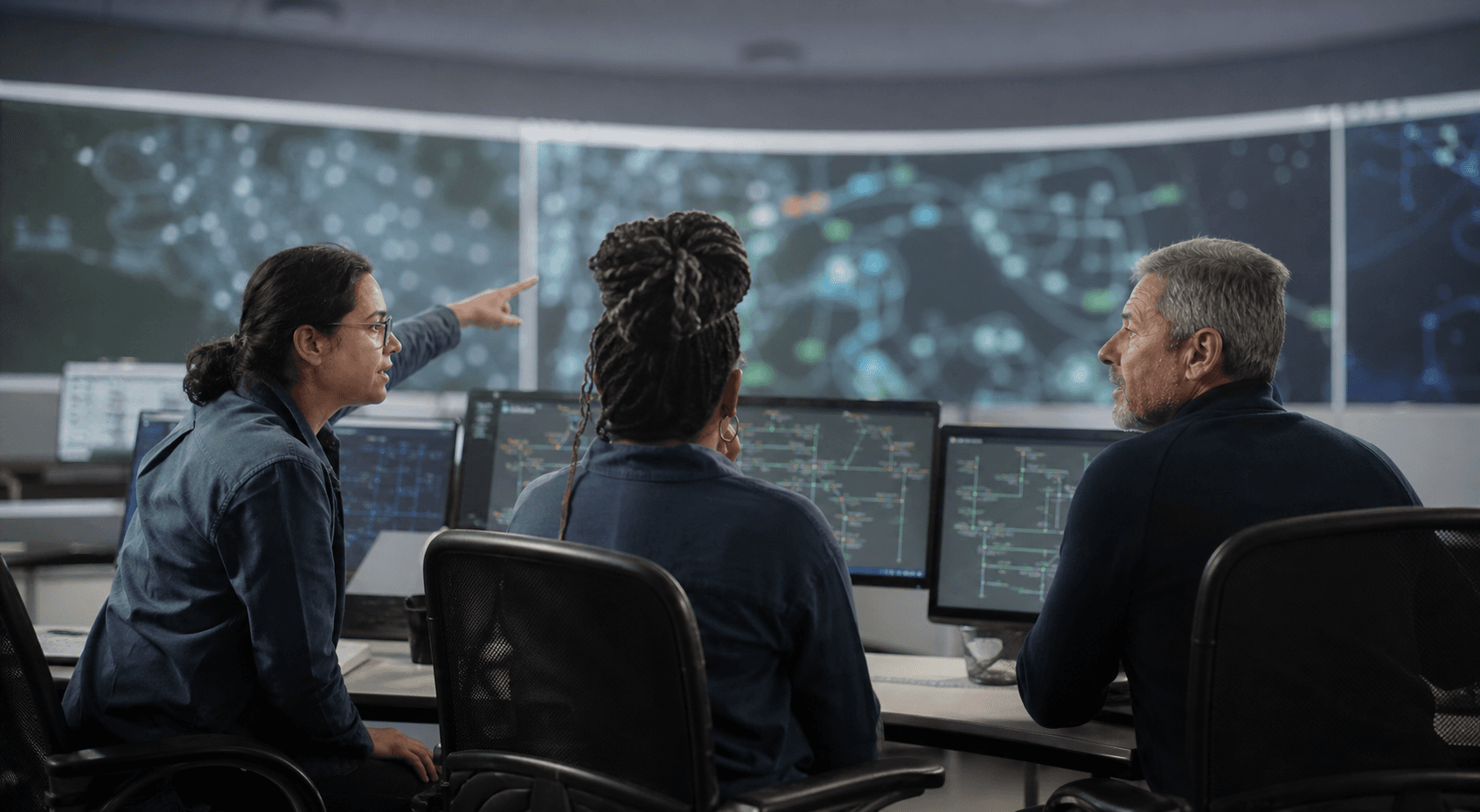
Physical lines are only the visible part of an interconnected power system. Operators must exchange forecasts, outage plans, available capacity, reserve levels, and real-time measurements. They need common procedures for emergencies and clear authority to act quickly.
Coordination covers several timescales. Long-term planners assess future demand, new generation, and transmission needs. Market operators allocate capacity and schedule trades. Control rooms manage the system minute by minute. Protection systems respond in fractions of a second when electrical conditions move outside safe limits.
Digital coordination creates its own security requirements. Control networks, communications, suppliers, and remote equipment need layered protection and tested recovery plans. Wider concerns about cyber risks to critical infrastructure are directly relevant to cross-border grids because an operational problem may require several organizations and jurisdictions to respond together.
What a Resilient Cross-Border Grid Requires
Building the line is only one part of creating a dependable connection. Governments, regulators, utilities, and system operators need to maintain the whole arrangement.
- Plan generation and transmission together, including constraints inside each country rather than only at the border.
- Assess shared physical risks across overhead lines, cables, substations, converter stations, and communications routes.
- Agree on technical standards, data exchange, reserve sharing, and emergency procedures before operation begins.
- Test black-start, restoration, and controlled separation plans through regular joint exercises.
- Protect operational technology and supplier access while preserving the information exchange operators need.
- Publish clear market and emergency rules so commercial schedules do not conflict with system security.
- Maintain domestic options for critical demand when imports are unavailable during a regional event.
- Review the agreement as generation, climate conditions, demand, and political relationships change.
Local communities also need a meaningful role in route planning. Transmission projects cross farms, forests, waterways, and populated areas. Early consultation, credible environmental assessment, transparent compensation, and careful route selection can reduce conflict and improve project durability.
Connection Works Best With Prepared Independence
Cross-border electricity grids can make energy systems more secure, flexible, and efficient. They allow neighboring countries to share reserves, use complementary resources, and respond to changing conditions across a wider area.
Their strength does not come from the cable or tower alone. It comes from diverse routes, sound domestic grids, compatible technology, trusted institutions, secure communications, and operators who practice working together.
The most resilient model is neither complete isolation nor unquestioned dependence. It is prepared interdependence: each country maintains essential capability while gaining additional options from a regional network. When engineering and cooperation advance together, an international boundary can become a point of support rather than the edge of the system.