
How Disaster Risk Pools Help Countries Pay for Emergency Response
Regional disaster risk pools can get money to governments quickly after a cyclone, earthquake, or other covered event. Here is how countries share the risk, what triggers a payout, and what the money can cover.
Emergency Bills Arrive Before the Damage Estimate
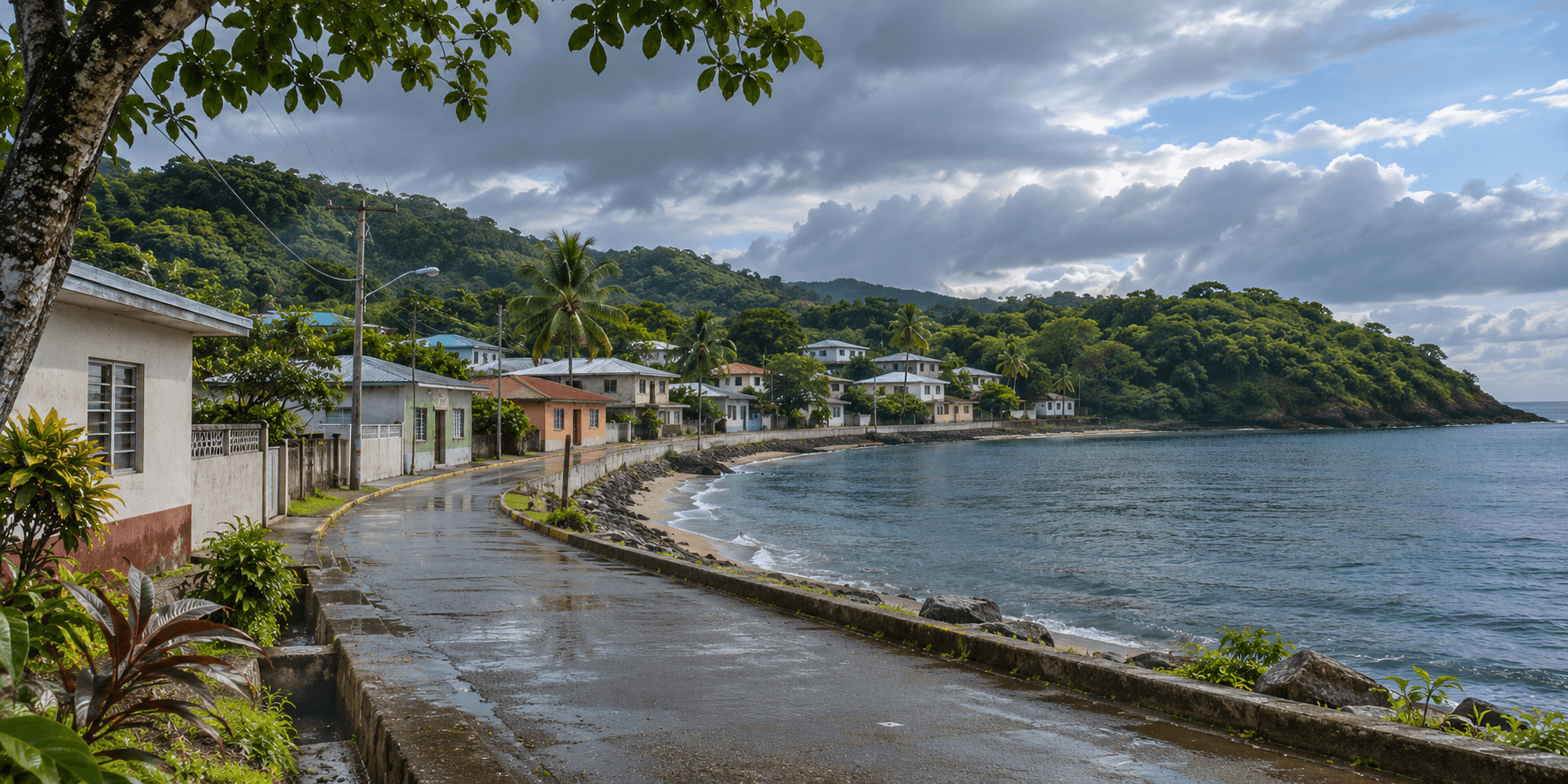
After a cyclone, a government may need to pay for fuel, temporary shelters, and crews to clear roads while it is still finding out which bridges and buildings are usable. A full damage assessment will help guide reconstruction, but the first bills are due much sooner.
A sovereign disaster risk pool gives governments a way to arrange some of that money in advance. Countries buy insurance through a shared facility. When a covered event meets the conditions of a country's policy, the pool pays an amount calculated under rules agreed before the disaster. The aim is to make cash available for the early response while damage assessments and longer-term financing are still taking shape.
That timing matters even when other countries are ready to help. As our guide to international disaster relief after an earthquake explains, national authorities still have to decide where to send supplies and which services need support first. Having money on hand lets them act on those decisions.
What Countries Share in a Risk Pool
Participating governments pay premiums for their own policies. A pool can combine the risks from many policies in one portfolio, use its reserves to cover part of the exposure, and buy reinsurance to cover part of what it could owe in a bad year. Participants can also share the costs of developing catastrophe models and administering policies.
Pooling works best when the members are unlikely to need their largest payouts at the same time. One country's major earthquake, for example, may leave most of the other members unaffected. A hurricane can cross several islands in succession, however, triggering multiple policies in a few days. The pool has to plan for that possibility when setting aside reserves and arranging reinsurance.
Hurricane Beryl showed what that can look like. After the storm crossed the Caribbean in July 2024, regional insurer CCRIF reported payouts to several governments, including Grenada and Jamaica, as well as to separately insured utilities in Grenada. The same storm affected several members, and each payout depended on the policy that member held.
What Triggers a Payout
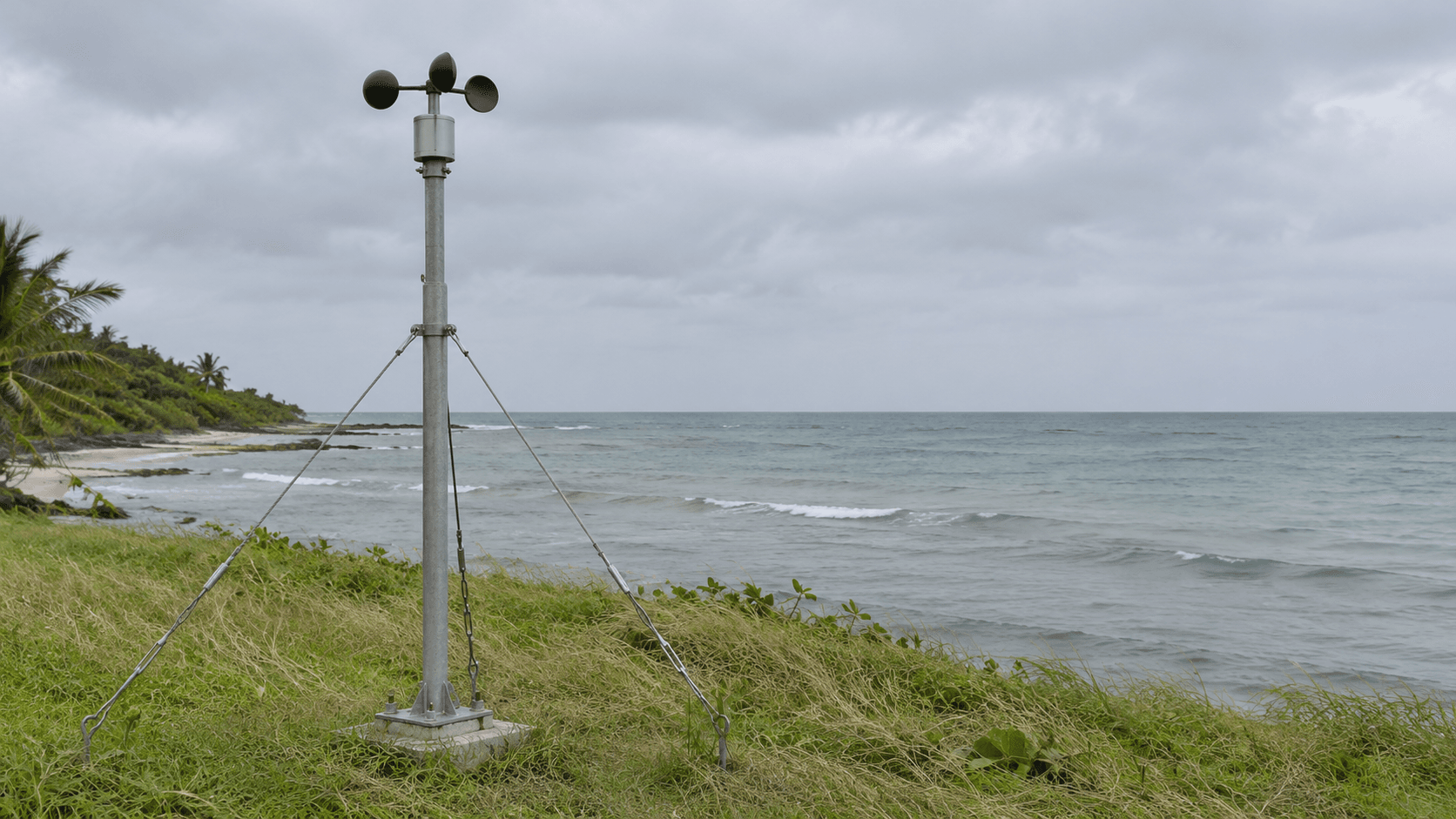
Many regional pools use parametric insurance. The policy specifies an index, the data used to calculate it, and the conditions under which it pays. An index can be a direct measure of a hazard or the output of a model. For example, CCRIF can use a cyclone's track and intensity alongside information about where buildings and infrastructure are located to estimate losses.
A policy can set a threshold where payments begin, a formula for how much they rise above that threshold, and a maximum payout. Two countries hit by the same storm can receive different amounts because the storm affected them differently and because they bought different coverage. A country may also hold separate policies for wind and excess rainfall, each with its own trigger.
A pre-agreed formula makes it possible to calculate a payout before inspectors visit every damaged site. That is a different task from forecasting. As our guide to how early warning systems turn forecasts into action explains, a warning helps people decide what to do before or during an event. The insurance calculation checks whether the event met the conditions for payment.
Why a Damaging Event May Pay Less Than Expected
Basis risk is the chance that the index used for a payout differs from the losses people experience on the ground. Imagine a cyclone whose winds badly damage homes in one coastal district. If the model understates local wind speeds or misses a concentration of vulnerable homes, the estimated wind losses may fall below the policy's payout threshold even when actual wind damage is substantial.
The gap can run in either direction. An index can also indicate more damage than field teams subsequently find. Better hazard observations and more accurate records of buildings and infrastructure can reduce the mismatch. They cannot capture every local consequence, especially where conditions vary sharply over short distances.
A policy limit is a separate issue. Even if a model estimates damage accurately, the payout stops at the amount the policy covers. A government that has bought enough cover for urgent logistics and temporary repairs may still need substantial funds to rebuild roads, schools, or hospitals.
How a Payout Reaches the Response
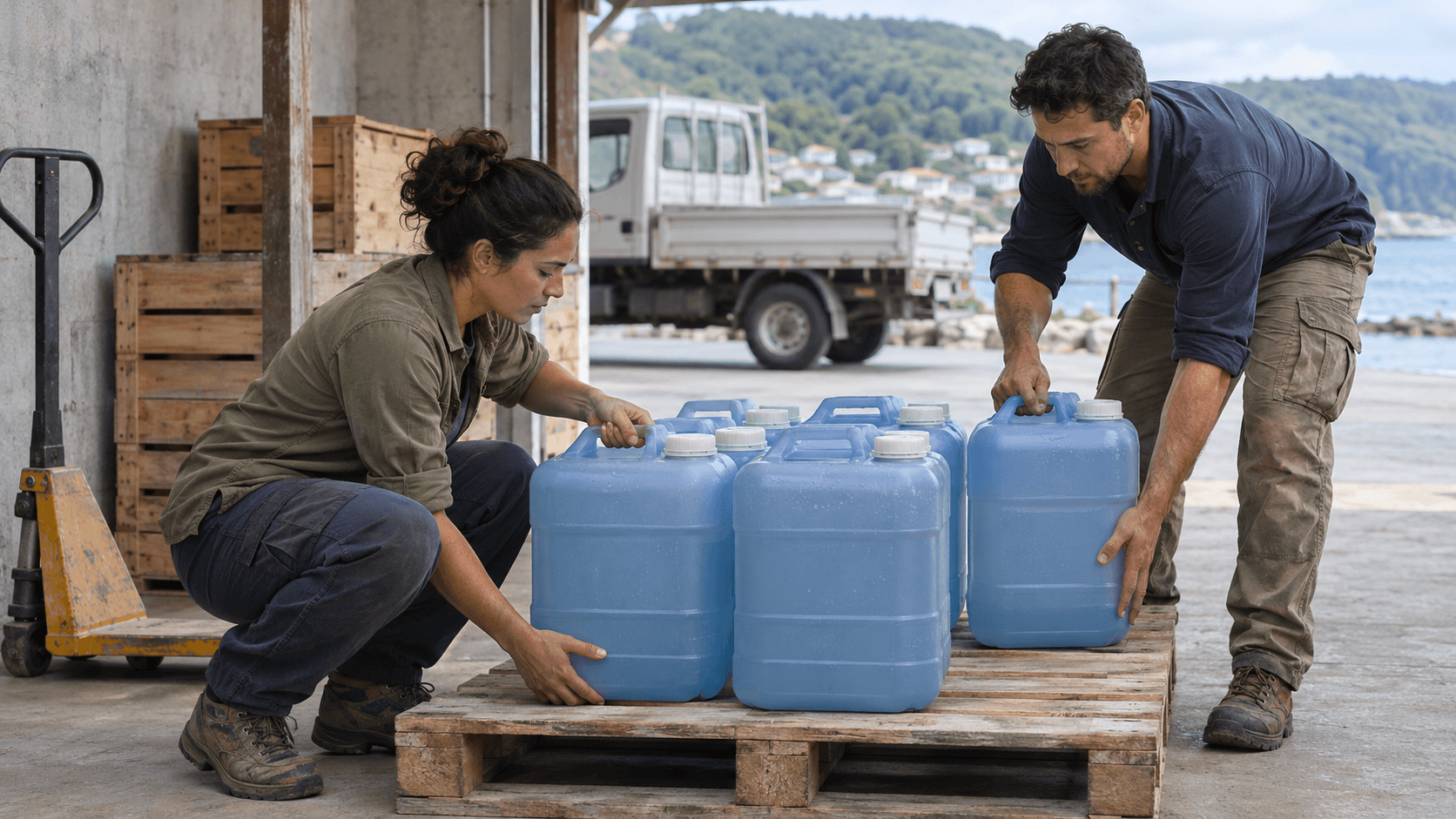
Receiving money quickly helps only if agencies can spend it when and where it is needed. Finance officials need to know who can authorize spending, while response teams need suppliers, delivery routes, and a way to identify the hardest-hit areas. Those arrangements can be made before the emergency.
African Risk Capacity asks participating governments to prepare operations plans and then specify how an imminent payout will be used in the circumstances of the event. That can mean expanding an existing social protection program where it already reaches affected households. Where the response includes humanitarian cash assistance, functioning markets and ways for recipients to access the money still matter.
A payout announcement therefore answers only the first question. Later reporting can show which agencies received funds, what they paid for, how quickly assistance reached affected areas, and where the response still faced shortages. That record can inform the next policy and response plan.
Where Pooled Insurance Fits in a Budget
The World Bank describes combining different sources of disaster finance as risk layering. A government may use a reserve for frequent smaller emergencies, arrange a line of credit that can be drawn after a disaster under agreed conditions, and buy insurance for larger shocks. The mix depends on how often losses occur, how much money is needed quickly, and what it costs to keep each source available. Long-term reconstruction usually needs its own financing.
When a payout makes the news, look for the hazard the policy covered, who received the money, and which urgent costs it was intended to meet. The total cost of the disaster is a different figure. A pool's contribution is best judged by what the money lets a government do while the fuller response is still being organized.
The images in this article are AI-generated illustrations.