
Why Critical Mineral Supply Chains Are Hard to Diversify
A new mine does not automatically create a new source of battery or grid materials. Follow the steps from extraction to refining, manufacturing, and recycling to see where supply risks persist.
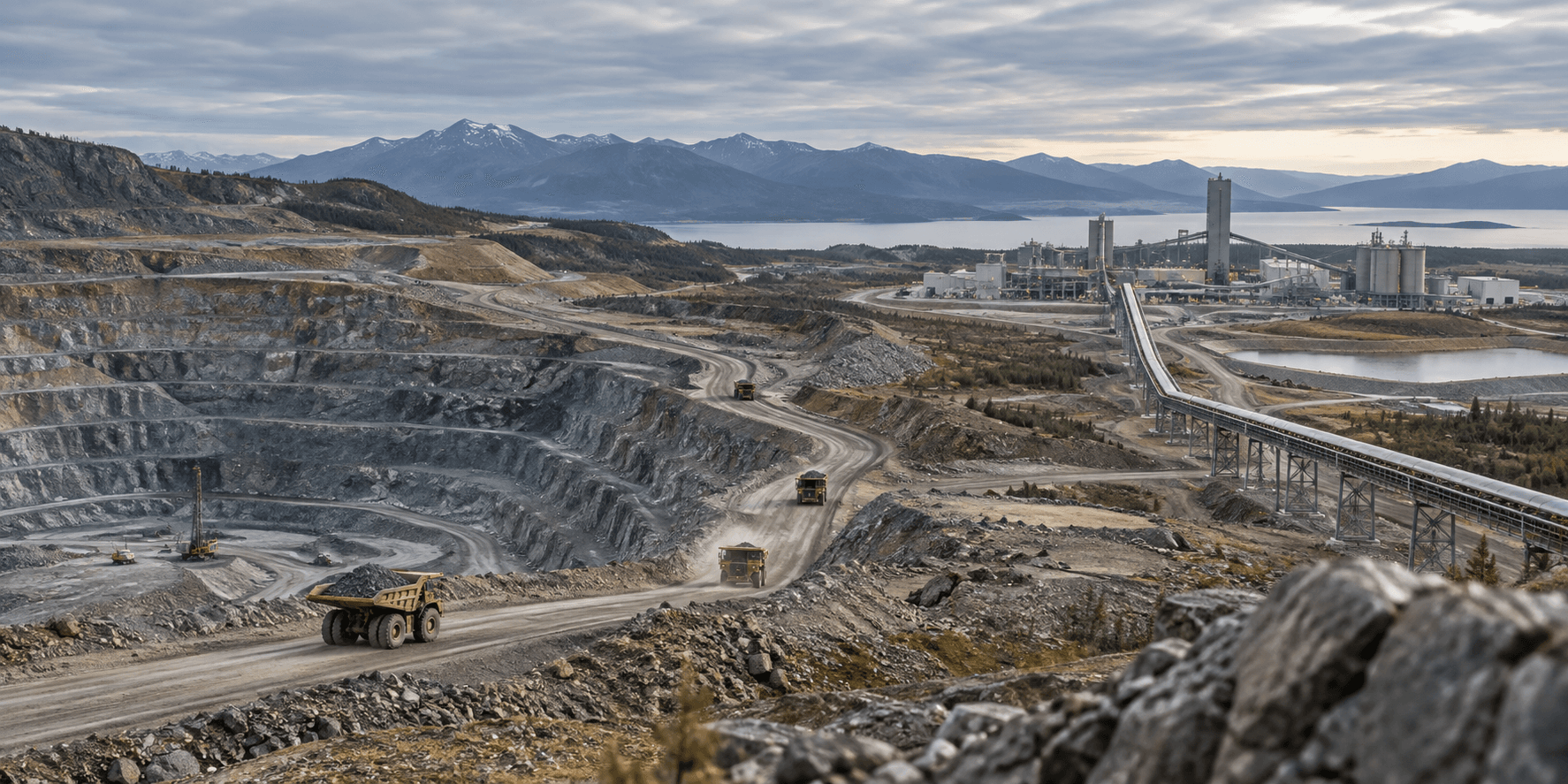
A Mine Is Only the First Link
When a country announces a new lithium, copper, or rare earth project, the news is often described as a step toward a more secure supply of clean-energy technology. It can be. But ore in the ground is not yet a battery material, an electric cable, or a motor magnet. Between discovery and a finished component sit financing, permits, extraction, transport, processing, technical qualification, and manufacturing.
That sequence matters because each stage can be concentrated in a different place. A buyer might obtain material from mines in several countries while still depending on one country to refine it to the required specification. A new plant might have enough equipment but no dependable supply of feedstock. A factory might be able to assemble a battery without having a local source of its active materials.
The International Energy Agency's 2026 critical minerals outlook describes this imbalance: proposed mining capacity is growing in more locations, while refining and downstream projects lag in many supply chains. Diversification therefore means building workable alternatives across the chain, not simply counting new mines.
Start by Asking Which Mineral and Which Use
"Critical mineral" is a policy term, not a single geological category. Governments use different lists because they weigh economic importance and supply risk differently. The material requirements also vary by technology. Copper is important to electrical networks; lithium and graphite are used in many rechargeable batteries; some rare earth elements are used in high-performance permanent magnets.
These materials cannot be treated as interchangeable. A change in battery chemistry may reduce demand for one input while increasing the importance of another. Even within one mineral, a manufacturer needs material in a particular form and purity. A mine that produces the right element may still require a suitable processor before its output can enter a production line.
The first question for any claim of supply independence is therefore precise: Which material, in what usable form, for which product? A country may be well supplied with raw ore and still import the refined ingredient needed by its factories.
Refining Can Be the Narrowest Passage
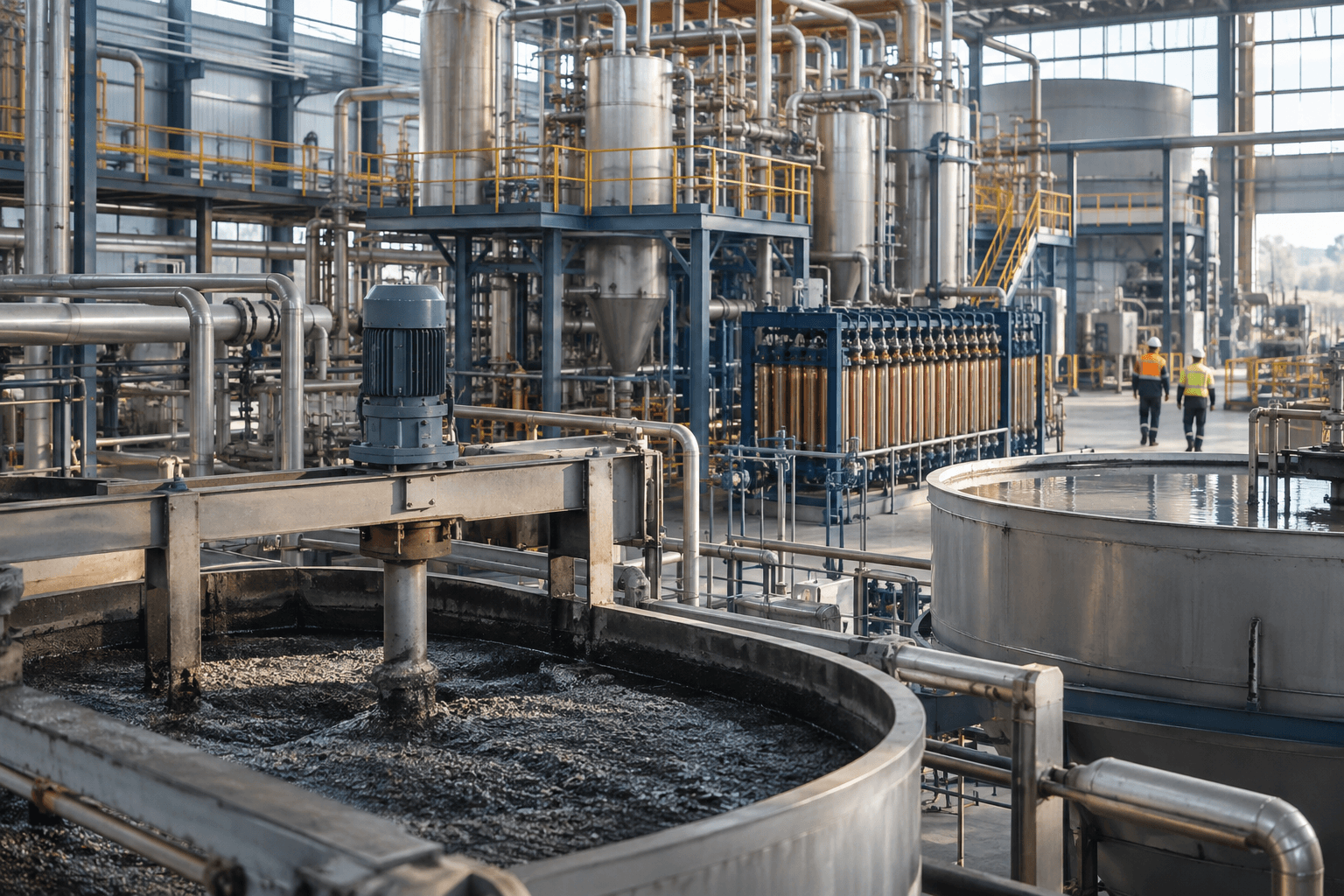
Mining separates useful material from a deposit. Refining turns that material into a form that another industry can use. The exact processes differ among minerals, but they require equipment, trained staff, energy, water, waste management, and consistent quality control.
Building a processing plant is more than placing machinery near a mine. Investors need confidence that enough suitable material will arrive over time and that customers will buy the output. A plant designed around one type of feedstock may not be able to accept every concentrate offered by a new supplier. Manufacturers, meanwhile, may need to test and approve a new material before using it at scale.
This creates a coordination problem. A mine may wait for a processor, a processor may wait for supply contracts, and a manufacturer may wait for a qualified product. Public support can help bridge those gaps, but announced funding is not the same as a completed, operating facility.
Concentration at this middle stage can persist even as extraction spreads. The IEA's 2026 assessment finds that refining remains highly concentrated for several energy minerals. Measuring only the location of mines misses a major part of the exposure.
A Second Route Must Actually Work
Diversification is often described as buying from another country. A useful alternative, however, must be available in the right quantity, at the right quality, and in time to cover a disruption. It also needs transport, financing, insurance, and a customer willing to use it.
Imagine a manufacturer with two mineral suppliers on paper. If both send their material to the same refinery, the company still has a shared point of failure. If a second refinery exists but depends on the same specialized equipment provider or shipping route, some risk remains. The goal is not to eliminate every common dependency; it is to identify the ones that could stop production and decide how much redundancy is worth building.
The logistics resemble those in maritime shipping chokepoints. More than one supplier does not guarantee more than one practical route to the buyer. Port capacity, vessel availability, and timing can determine whether a theoretical alternative is usable during a shock.
Trade rules also matter. Tariffs, export controls, and other restrictions can change the economics or availability of a route. Our explainer on global trade tensions describes how policy decisions can affect supply chains beyond the point where a good is produced.
New Capacity Takes Time and Has Local Costs
Exploration does not guarantee a commercial deposit, and a deposit does not guarantee a viable project. Developers must assess technical conditions, secure financing, obtain permits, build infrastructure, and negotiate with communities and customers. Processing and manufacturing projects have their own construction and qualification periods. A project pipeline is a set of possibilities, not a delivery schedule.
Local consequences belong in that calculation. Mining and refining can require land, water, energy, and waste controls. The details vary by material and process, but a resilient supply chain cannot be defined only by its distance from the buyer. It also has to be lawful, environmentally managed, and acceptable to the people living near its facilities.
Resource-rich countries may want more than raw-material exports. Processing and manufacturing can create additional economic value, provided the infrastructure, skills, investment, and markets support them. Treating those countries merely as replacement sources of ore overlooks both their interests and the practical requirements of a functioning chain.
Recycling Helps, but Timing Limits Its Reach
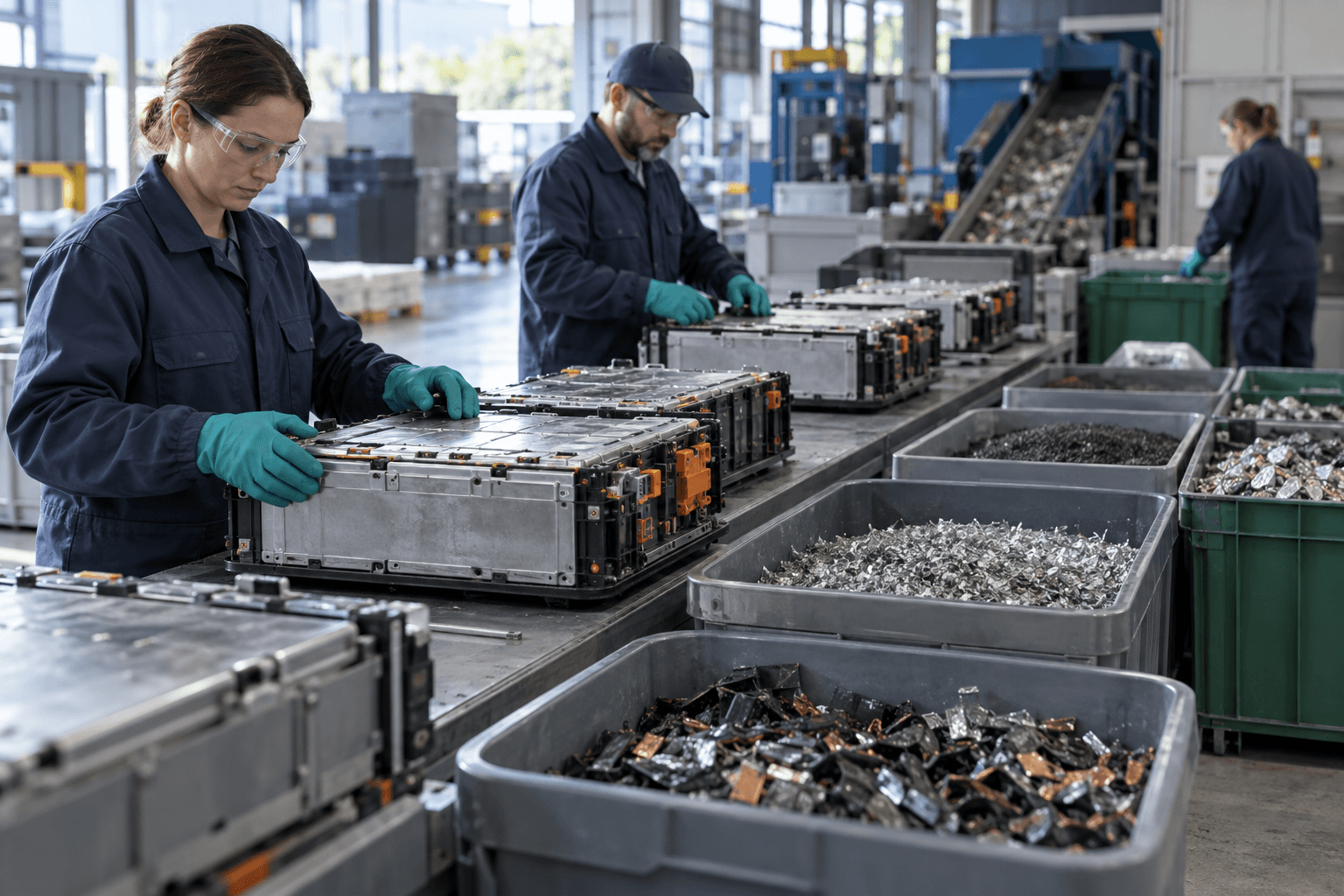
Used batteries, electronics, vehicles, and industrial equipment can become sources of valuable material. Collection, safe handling, sorting, recovery, and refining can return some of it to production. Recycling can reduce demand for newly mined material and provide an additional supply route.
It cannot instantly meet all growing demand. Products must first reach the end of their useful lives and enter a collection system. The available scrap may contain different materials in different forms, and recovery does not necessarily produce the purity required by a particular manufacturer. Recycling capacity also needs investment, energy, skills, and environmental controls.
There is an important difference between manufacturing scrap and end-of-life products. Scrap generated during production can become available relatively quickly. Materials inside long-lived products may not return for years. The IEA's work on critical mineral recycling treats it as an important complement to mining and refining, rather than a complete near-term substitute for them.
Demand Choices Change the Supply Problem
Diversification is not limited to adding suppliers. Product design, material efficiency, repair, reuse, and substitution can change how much of a mineral is needed. A manufacturer may adopt a different chemistry or design, but that choice can introduce a new dependency or require changes to performance, equipment, and safety approval.
Electricity infrastructure offers a useful reminder of why demand remains broad. Cross-border electricity grids can improve energy security, yet building and maintaining networks also requires large quantities of physical materials. Supply planning should consider the whole energy system rather than assuming that one technology determines mineral demand.
Governments and firms can combine approaches: develop additional mines and processors, qualify more suppliers, maintain suitable inventories, improve material efficiency, and expand recycling. The right mix depends on the mineral, the time horizon, and the cost of an interruption. A backup source that costs more in ordinary times may still be valuable when the main route fails.
How to Read the Next Supply Announcement
When a project is presented as a breakthrough for critical mineral security, five questions clarify what it actually changes:
- What stage is being added? A discovery, operating mine, refinery, component factory, and recycling plant solve different problems.
- What form will the output take? Check whether it meets the specification of the intended customer or still needs processing elsewhere.
- Which dependencies remain shared? Look at equipment, feedstock, transport, energy, and downstream manufacturing.
- What is the realistic timing? Separate a permit, investment commitment, construction start, and commercial production.
- Who bears the costs and gains the benefits? Consider host communities, workers, environmental safeguards, and the value retained in producing countries.
A supply chain is resilient when a disruption at one point does not automatically stop the next stage. That resilience has to be built across extraction, processing, manufacturing, and recovery. Counting deposits is a start; tracing the material all the way to a usable product gives a much clearer picture.
Images are AI-generated conceptual illustrations, not photographs of a specific facility or location.