
Why Global Food Prices and Grocery Bills Move Differently
A change in world commodity prices does not translate directly into a cheaper shopping basket. Learn how currencies, processing, contracts, and local conditions shape grocery costs.
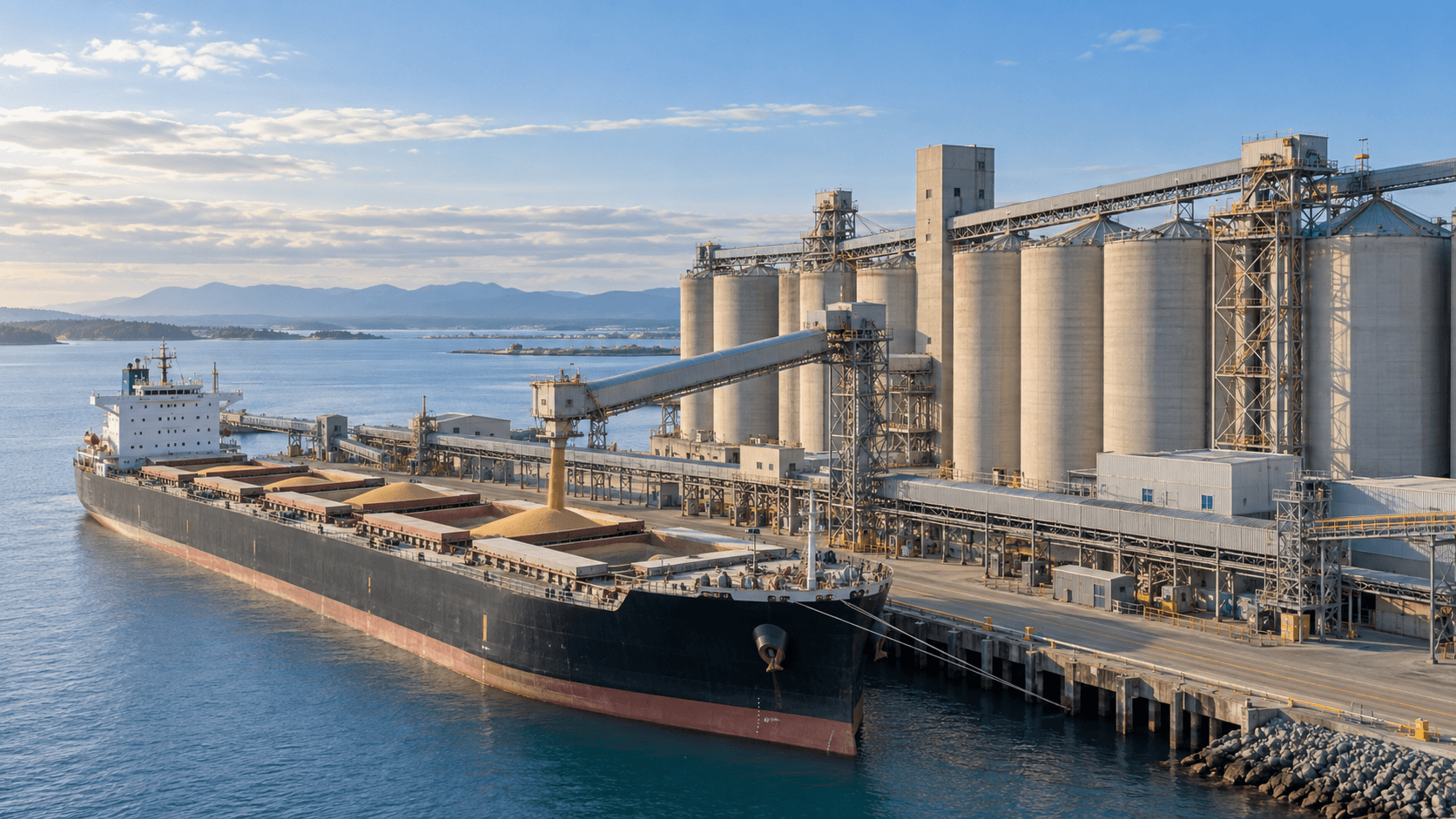
One Food System, Several Different Prices
A headline about falling global food prices can sound disconnected from a supermarket receipt. Bread, vegetables, and cooking oil may still cost more than they did a year earlier. Both observations can be correct because they describe different products, markets, currencies, and points in the supply chain.
An international grain quotation measures something different from the price of a packaged loaf. Between the two sit shipping, milling, baking, storage, wages, rent, and retail decisions. Those costs do not all move together, and changes take different amounts of time to reach shoppers.
Understanding that chain helps readers interpret economic news without assuming either that a global index is meaningless or that every shop should immediately match its direction. The useful question is where a price changed and what must happen before that change reaches a household.
What a Global Food Price Index Measures
The Food and Agriculture Organization's Food Price Index tracks monthly movements in international commodity prices. It combines five groups: cereals, vegetable oils, dairy, meat, and sugar. Their weights reflect their shares in international exports, rather than the contents of a typical family's shopping basket.
A national consumer food index measures a different stage: retail prices paid within that country. Its weights are tied to consumer spending. Fresh produce, prepared foods, and the particular staples people buy can therefore matter differently in the two measures.
Even within a global index, an average can conceal opposing movements. A fall in one commodity group may offset an increase in another. Someone who spends heavily on the rising category may see little benefit from a lower overall reading.
Before comparing two headlines, identify the basket, geography, currency, and period. A monthly decline in international export prices and an annual increase in domestic retail prices are not competing accounts of the same transaction.
Lower Inflation Does Not Mean Lower Prices
There is another distinction to make before following the supply chain: a price level is different from its rate of change.
Consider a hypothetical basket that costs 100 units of local currency. A 10 percent increase takes it to 110. If inflation then slows to 2 percent over the following year, the basket reaches 112.20. The rate has fallen, but shopping has become more expensive again.
Falling inflation is called disinflation. A decline in the price level is deflation. Headlines sometimes compress the distinction into phrases such as "food costs ease," leaving readers unsure whether prices have fallen or merely risen more slowly.
The comparison period also matters. A price can be lower than last month but higher than last year. Neither measure alone tells a household whether its budget has recovered from several years of cumulative increases.
A Commodity Is Only Part of the Finished Product

Wheat contributes to bread's price, but a loaf is not simply wheat in another shape. Grain must be transported and milled. Flour must be mixed with other ingredients, baked, packaged, delivered, displayed, and sold. Each stage uses equipment, premises, labor, and energy.
A lower wheat price therefore creates room for savings without determining the size of a retail reduction. USDA research on farm-to-retail prices makes this distinction clear: the agricultural ingredient accounts for different shares of different finished foods. A commodity movement has more direct influence where that share is larger.
This also explains why two products made from the same crop need not change price equally. A basic bag of flour and a labor-intensive baked product have different cost structures. Comparing their shelf prices requires more than checking the grain market.
Electricity and fuel add another layer. Bakeries need heat; chilled foods need refrigeration; distributors need transport. The reliability of cross-border electricity networks matters to the wider energy system on which these businesses depend. Cheaper ingredients can coincide with higher operating costs elsewhere.
Exchange Rates and Freight Change the Import Bill
International food commodities are often quoted in US dollars, while households pay in local currency. A buyer must translate the international price into the currency used to fund the purchase.
Imagine an imported shipment priced at 100 dollars when one dollar costs two local currency units. Its converted cost is 200 units. If the dollar price falls to 90 but one dollar now costs 2.3 local units, the converted cost becomes 207. This simplified example excludes freight and taxes, but shows how a cheaper world price can still mean a higher local bill.
Delivery costs must then be considered separately. An export quotation is not necessarily the price of food delivered to a domestic warehouse. Insurance, port handling, inland transport, and the terms of the sale affect the amount the importer ultimately pays.
Disruption at maritime shipping chokepoints can lengthen journeys or delay deliveries. A drop in the commodity price offers limited relief if moving the cargo becomes more expensive at the same time.
Contracts and Inventories Create Delays
Businesses do not necessarily buy all their ingredients at today's quoted price. Some agree prices in advance, hold inventories bought earlier, or negotiate supply contracts that change only at specified intervals.
Consider an illustrative bakery with flour already purchased for the coming month. A fall in the current wheat quotation does not change what it paid for that stock. Its next flour delivery may also reflect a miller's earlier purchases and processing costs. The timing depends on the actual agreements at each stage.
Advance purchasing can cushion businesses and shoppers when markets rise. It can also delay the benefit when markets fall. There is no single waiting period that applies to every product or country.
A useful assessment follows successive stages: international commodity prices, import costs, wholesale or producer prices, and finally retail prices. Looking for the same movement at every stage in the same month can obscure the sequence rather than explain it.
Local Harvests and Household Baskets Still Matter
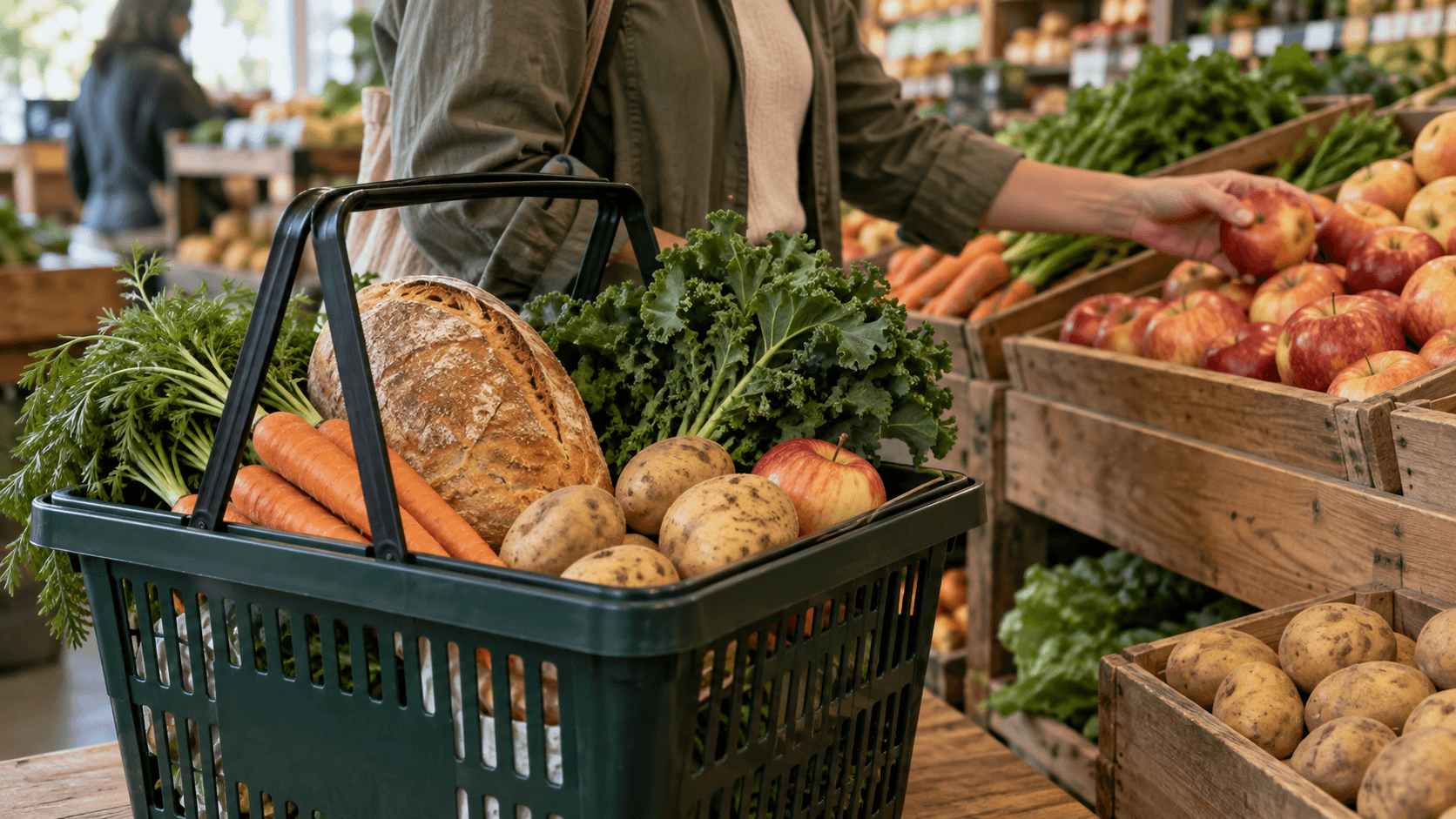
Global trade connects food markets, but it does not erase local conditions. A poor vegetable harvest, damaged road, or regional shortage of storage can affect a community even when international cereal supplies are ample.
Fresh foods are particularly sensitive to seasonality and weather. Water availability matters too: cooperation over shared rivers can help countries manage the basin conditions on which irrigation depends. An international average cannot capture every local production constraint.
Households also experience different inflation rates because they buy different things. A family purchasing mostly staples has a different exposure from one buying more prepared meals. Dietary needs, access to shops, transport costs, and available package sizes further shape the practical choices.
For household comparisons, keep quantities and products consistent. Spending less after buying fewer items does not demonstrate that prices fell. Likewise, an unchanged package price can hide a higher cost per kilogram if the package becomes smaller.
What Evidence Would Explain a Persistent Gap?
Supply-chain costs and delays are explanations to investigate, not automatic proof that a particular retail price is justified. A persistent gap deserves closer examination once cheaper inputs have worked through purchasing cycles.
Useful evidence would include the prices retailers actually pay, changes in wages and energy bills, the timing of supply agreements, sales volumes, and profit margins over a comparable period. The difference between farm and shelf prices is not itself a measure of profit: it also pays for the activities between those stages.
Competition and pricing decisions belong in that assessment. The analytical mistake is to infer the entire explanation from a single commodity chart, whether the conclusion is that retailers must be overcharging or that all increases must be unavoidable.
Five Questions to Ask About the Next Headline
- Which price is changing? Identify whether the story concerns commodities, wholesale food, or consumer purchases.
- Over what period? Separate monthly movements, annual inflation, and the cumulative increase since an earlier date.
- In which currency? Check whether an international price movement survives conversion into the buyer's currency.
- What sits between that price and the shelf? Consider processing, delivery, energy, contracts, and inventories.
- Whose basket is represented? Compare the index with the foods and quantities relevant to the household or country being discussed.
Global food prices remain a useful signal of pressure entering the food system. Grocery prices show what emerges after that pressure passes through local businesses, infrastructure, and markets. Reading both measures together gives a clearer account of why food becomes more expensive, where relief may be developing, and why it can arrive unevenly.