
How Customs Clearance Works
A container can reach port and still be days from delivery. Here is what importers declare, why cargo gets held, and what has to happen before it can leave.
Arrival Is the Start of a New Queue
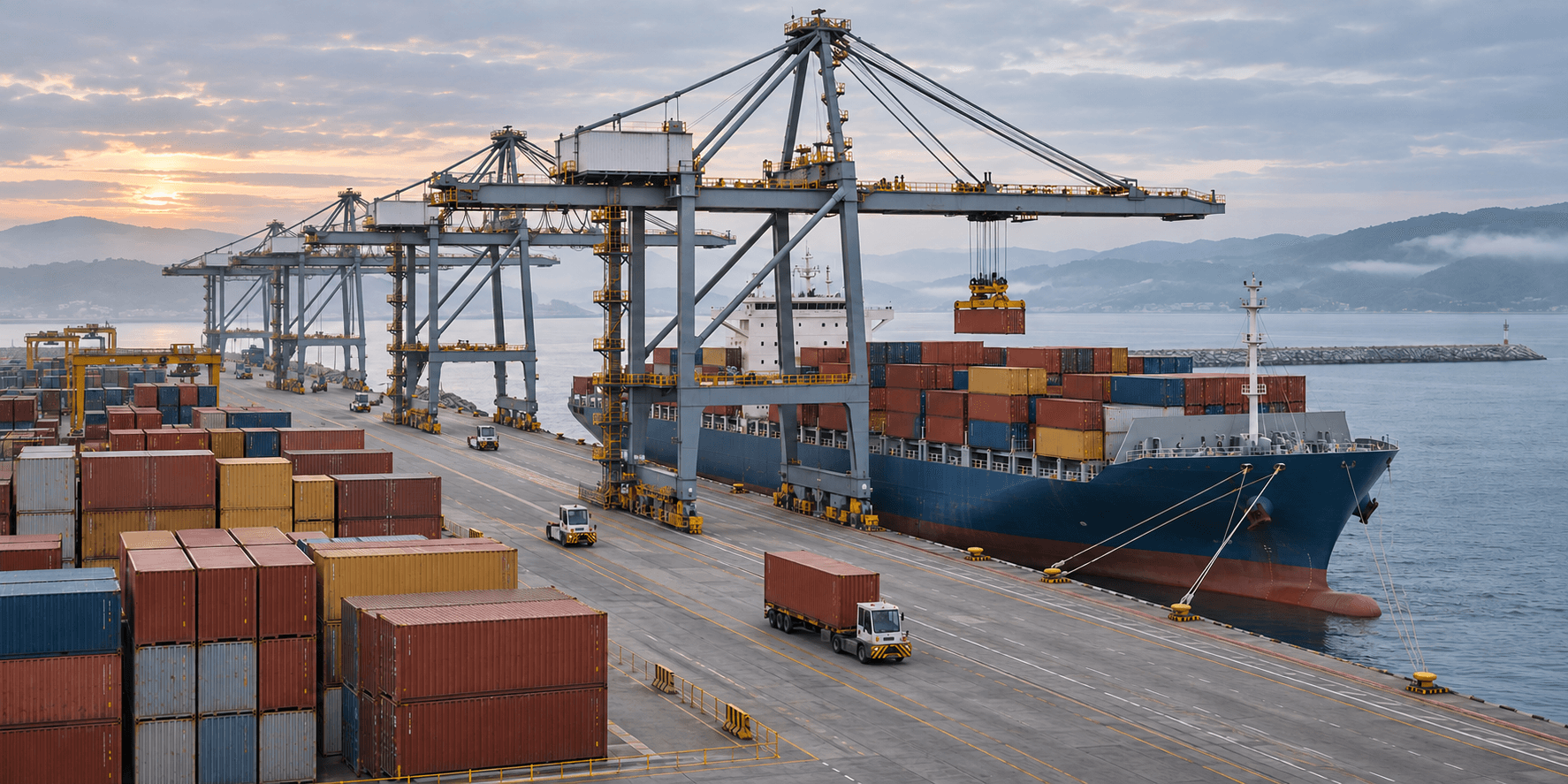
A ship can reach port on schedule while the goods it carries still miss their delivery date. The terminal has to unload the container and make it available. Border authorities have to decide whether its contents can enter. The importer, carrier, and trucking company have to arrange collection. Each step has its own clock.
Customs clearance is the process of meeting the customs requirements that apply to a shipment. For an ordinary commercial import, that usually means declaring the goods, giving authorities enough information to check the declaration, and paying or securing any applicable charges. Some products also need approval from an agency responsible for food safety, plant health, or another regulated area.
That distinction matters when reading about a port backlog. Shipping chokepoints can delay the voyage. Once a ship arrives, the next delay could occur in a government office, at an examination warehouse, or at a terminal gate.
What the Importer Declares
A carrier reports cargo it is bringing into the country. An import declaration serves a different purpose. It tells the destination customs authority what is being imported and how the goods should be treated. Depending on the system, the importer may submit it directly or use a customs broker.
Consider a hypothetical shipment of ceramic mugs. A commercial invoice gives details of the sale, a packing list shows how the goods are distributed among cartons, and a transport document identifies the shipment. A vague description such as “housewares” tells an officer less than a description that identifies the goods and their material. If the documents show different quantities, someone may have to reconcile them before the shipment can move.
Three details in the declaration can affect the amount of duty due:
- Classification. The Harmonized System groups goods under internationally shared six-digit codes. An importing country can add digits for its own tariff schedule. Classification depends on the properties of the product and the rules for that schedule.
- Origin. The country a container ships from can differ from the origin of the goods inside it. Origin depends on rules about where a product was obtained or made. If an importer claims a lower rate under a trade agreement, the product has to meet the agreement's origin rules.
- Value. For duties charged as a share of the goods' value, customs needs a value calculated under its valuation rules. The price paid or payable for the goods is generally the starting point when the transaction value method applies. Adjustments or a different method may be needed.
A rate in a tariff schedule answers only part of the question. Authorities still need to know which goods the rate applies to and, for a percentage-based duty, the value it applies to.
Why Some Shipments Are Examined
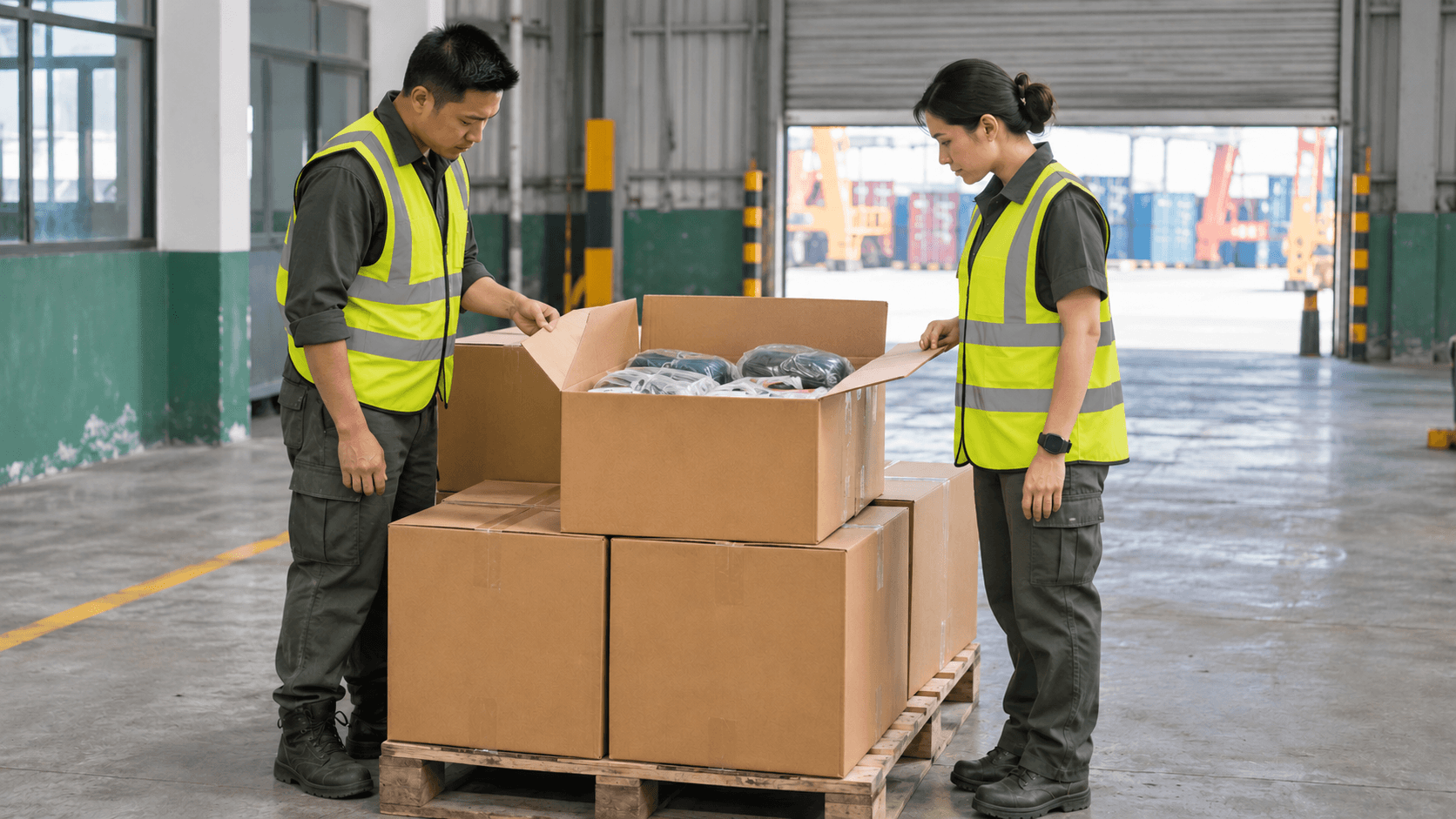
Where pre-arrival processing is available, authorities can start reviewing information before the goods reach the border. A straightforward declaration may be processed without a physical examination. Another shipment may prompt a request for an invoice, a scan of the container, or an examination of the contents.
The World Trade Organization's Trade Facilitation Agreement calls for risk management where possible. That lets authorities concentrate checks on higher-risk consignments and move lower-risk goods more quickly. Random selection can also be part of the system. An examination on its own says little about whether an importer has done anything wrong.
Even a short physical check can cause a longer delay. A terminal may have to find the container in a stack, move it to an examination area, and wait for an appointment. A report that an inspection took an hour leaves open how long the cargo waited on either side of that hour.
When Another Agency Has a Say
A shipment of fresh berries may need plant-health checks in addition to customs processing. The requirements depend on the product and the destination. An authority may ask for a certificate, inspect the goods, or take a sample. A duty payment leaves any outstanding plant-health requirement in place.
For perishables, the conditions during a wait matter alongside the length of the wait. A suitable storage location, power for refrigeration, and a plan for moving the container can protect the cold chain that keeps perishable food usable. The trade facilitation agreement provides for priority in scheduling examinations for perishable goods and for suitable storage pending release.
Some product problems surface after the goods are in shops. Batch and distribution records then help authorities and businesses trace affected food during an international recall. A check at the border and a recall after distribution address different points in the same journey.
Release and Pickup Are Separate Events
A customs release gives permission for the goods to move under the applicable customs procedure. Where other requirements have been met, goods can sometimes be released before the final amount of duty is determined. Authorities may require a guarantee while that amount is settled, and they can review records after release.
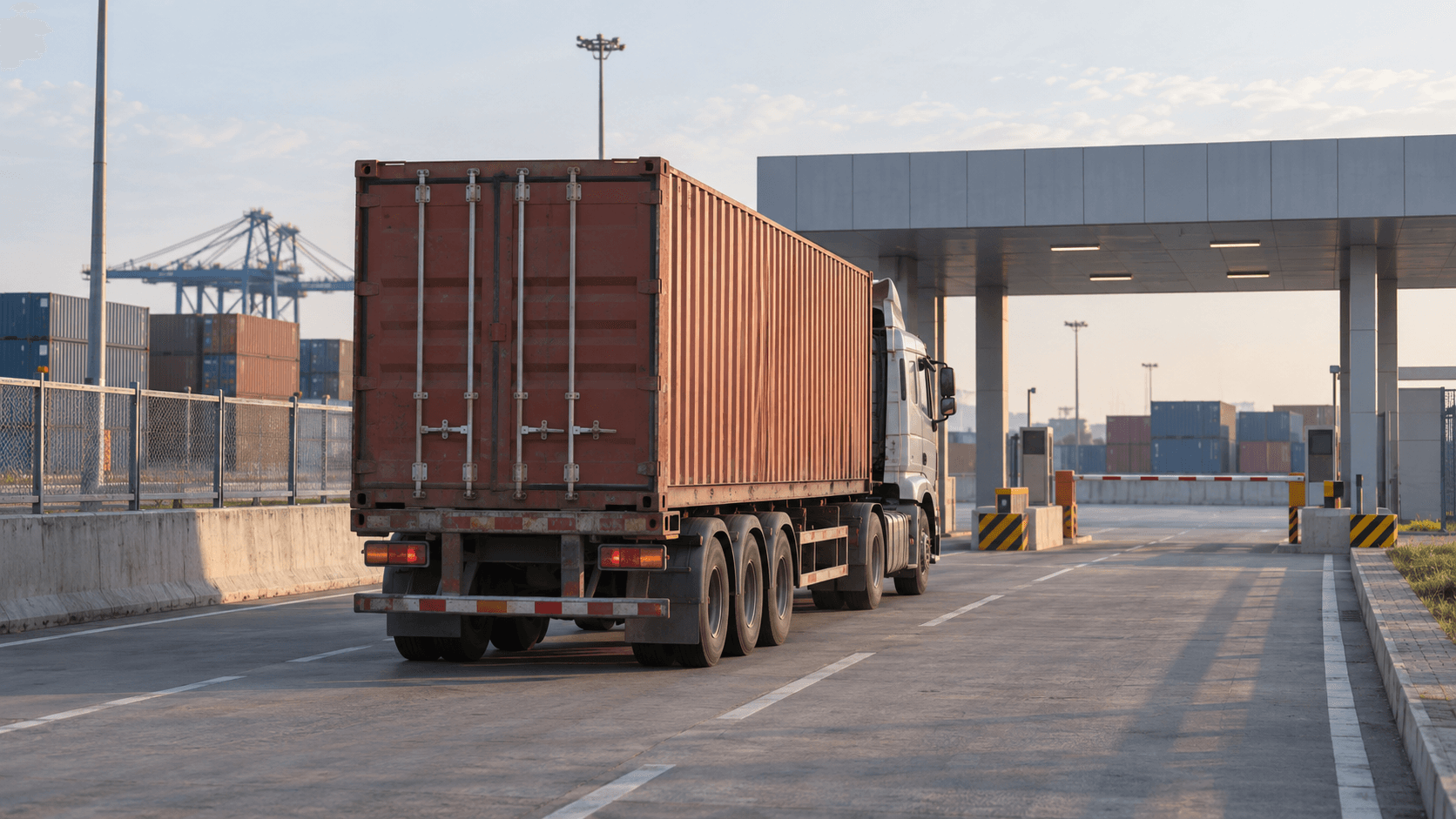
A customs status update may represent only one agency's decision. A separate hold can still prevent the goods from leaving. Once all regulatory holds are cleared, carrier paperwork or a truck appointment may still be pending. At a busy terminal, a container can be released on a Friday and sit until a collection slot comes up. For a warehouse waiting on stock, the relevant date is when it receives the goods. For the customs authority, release can be an earlier milestone.
That gap can be expensive. Storage charges can accumulate, a production line can run short of parts, and a distributor may need to reschedule deliveries. The same delay has different consequences for shelf-stable mugs and fresh berries with little saleable life left.
How to Read a Report About Border Delays
Ask what the clock measures. The World Customs Organization's Time Release Study tracks the interval from arrival to physical release and helps identify which steps account for the time. A terminal's dwell-time measure may use a different start or end point. Two numbers described as “clearance time” can represent different parts of the trip.
Four questions help locate the actual bottleneck:
- Where are the goods? They could be aboard the ship, in a terminal stack, at an examination facility, or ready for pickup.
- Who is expected to act next? It could be the importer correcting a declaration, an agency reviewing a sample, or a carrier or truck operator arranging collection.
- What would let the shipment move? A missing document, an inspection decision, and a gate appointment call for different remedies.
- Which shipments are affected? A hold on one regulated product says less about the port as a whole than delays across many unrelated consignments.
The most informative update identifies the last completed step and the next one still pending. That tells a reader more about when goods might reach their destination than the phrase “stuck at customs.”