
How International Food Recalls Work
A food recall can cross borders long after a shipment arrives. Learn how investigators trace batches, authorities share alerts, and warnings reach households.
One Product, Several Countries, Many Decisions
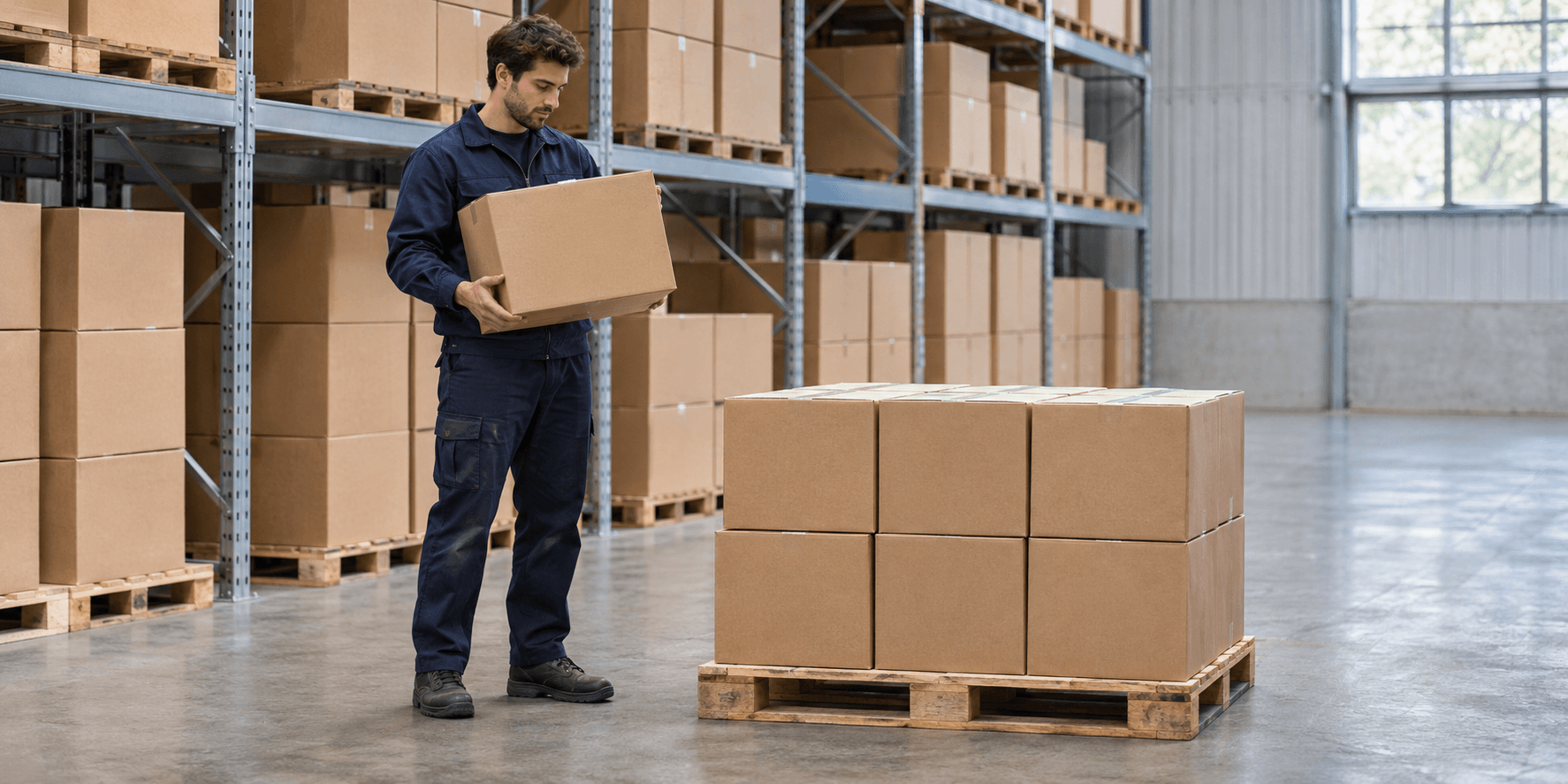
An international food recall is a coordinated effort to identify affected food, stop its distribution, and reach people who may already have bought it. Businesses trace shipments and contact customers. National authorities assess the information and oversee action within their jurisdictions. International networks help those authorities exchange information across borders.
There is no single global regulator that removes a product from every supermarket. A shared ingredient can reach several countries, manufacturers, and brands before anyone identifies a problem. The response has to follow those connections while giving each affected market usable instructions.
Understanding that process helps explain why a recall may grow over several days, why national notices can look different, and why an early announcement is only the start of the work.
A Recall Can Start at Several Points
A problem may emerge through a manufacturer's checks, an official food sample, a consumer complaint, or an investigation into illness. Investigators can combine laboratory results, information about what people ate, production records, and observations at a facility. Not every recall begins with a border inspection or a confirmed outbreak.
Reasons for action can include harmful microorganisms, chemical contamination, undeclared allergens, or foreign material. Identifying the hazard is one task; establishing which products could be affected is another. Food may need to be removed while parts of that investigation are still underway.
Businesses and authorities also need to distinguish an immediate protective action from the search for its underlying cause. Stopping sales can limit further exposure. It does not, by itself, explain how the problem arose or establish that production can safely resume.
Tracing Backward and Forward
Traceability connects food to records of its production and movement. Backward tracing asks where an ingredient or product came from. Forward tracing asks where it went next. Together, those records help investigators locate affected stock and identify businesses that need to act.
Useful information includes product names, batch or lot codes, production dates, quantities, suppliers, and shipment destinations. A supermarket's brand name alone may be insufficient: one brand can sell several products made in different places, while one factory can supply several brands.
The challenge extends beyond the shipping networks that move goods across borders. Once a shipment arrives, importers may divide it among distributors, processors, shops, and restaurants. Investigators need those later movements as well as the original international route.
Traceability is not a safety test. An accurate delivery record can show where a batch went, but it cannot prove whether that batch contains a hazard. Laboratory findings and other investigative evidence help determine what the records mean for the response.
Why One Ingredient Can Expand the Recall
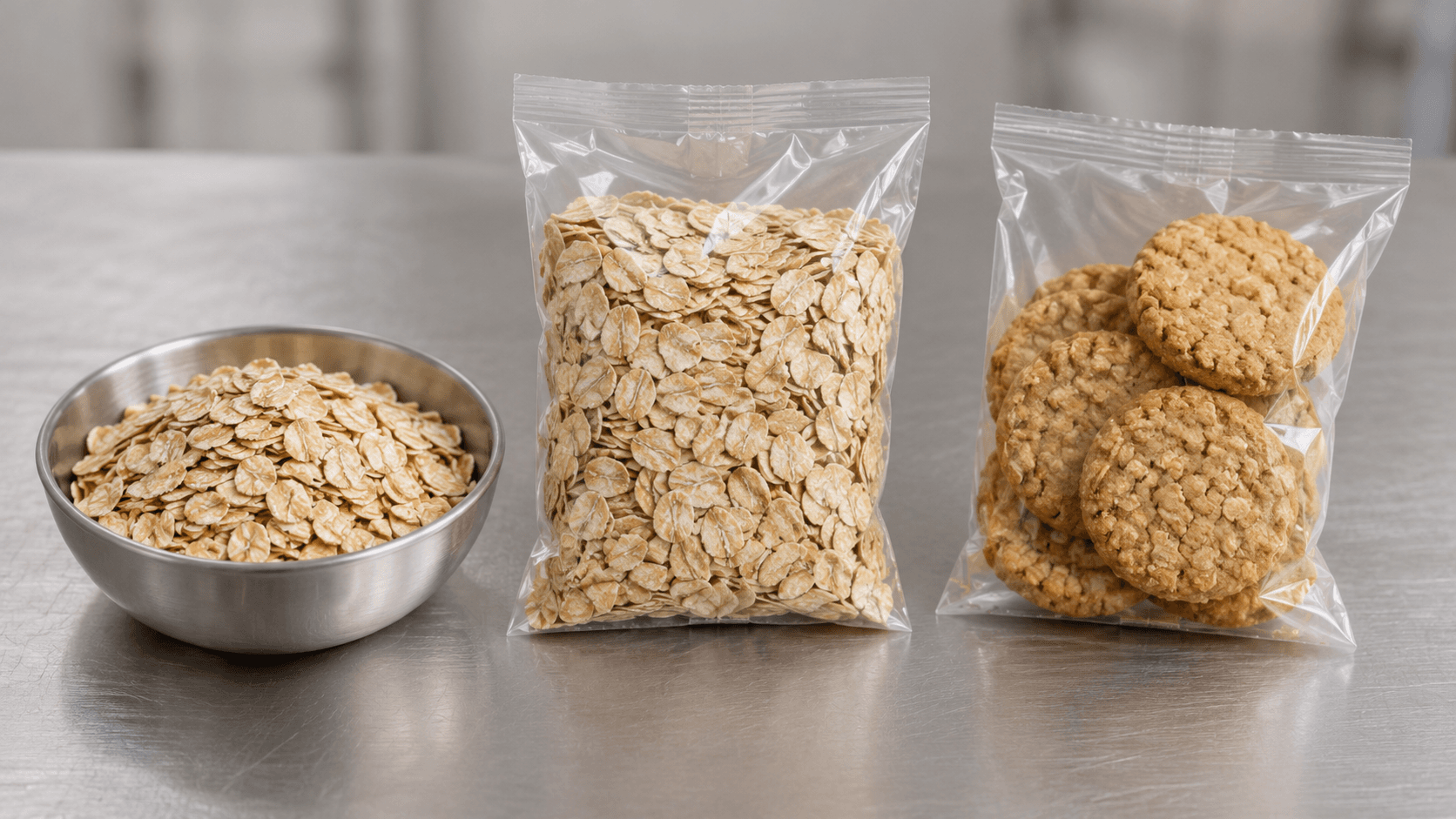
Consider a hypothetical supplier that sends one batch of oats to a cereal packer and a biscuit manufacturer in different countries. If investigators identify a safety problem with that batch, they need to establish which finished products used it, when those products were made, and where they were sold.
The affected food may now have different names, packaging, and date codes. Manufacturers must connect incoming ingredient records with their own production and dispatch records. If batches were mixed or records cannot isolate the affected output, the scope of the response may need to be wider.
Our explanation of the stages between a commodity and a grocery shelf describes the processing and distribution that separate a farm product from a retail purchase. During a recall, those same stages become a chain of questions about identity and destination.
A growing product list does not necessarily mean a new source of contamination has appeared. It may mean that investigators have found more uses of the original ingredient. Notices should explain what has changed so readers can distinguish an expanded distribution trail from a separate incident.
How Authorities Share an Alert
The joint FAO/WHO International Food Safety Authorities Network, known as INFOSAN, supports communication between national authorities during food safety events with international implications. It helps members verify information, share details, and coordinate responses. It does not replace national decision-making or operate supermarkets' recall procedures.
A useful cross-border message needs enough detail for the receiving country to locate the food. Product identifiers, the reason for action, exporter and importer details, distribution information, and measures already taken can all matter. A vague warning about food from a particular country cannot perform that job.
Regional arrangements add another layer. The European Union's Rapid Alert System for Food and Feed, or RASFF, enables participating authorities to exchange information about food and feed risks. An authority-to-authority notification is different from a consumer notice: the latter must make the relevant retail product and required action clear to a household.
Terminology also varies. The FAO/WHO guide to recall systems notes differences in how countries use words such as “recall” and “withdrawal.” Read the action described in a notice rather than assuming that the same label has an identical legal meaning everywhere.
Removing Stock Is Only Part of the Job
Businesses may need to stop dispatches, separate affected inventory, contact recipients, remove products from sale, and arrange appropriate handling of recovered food. Authorities oversee the response under their own systems and can require further measures. Responsibilities and procedures depend on the jurisdiction.
For example, EU general food law places primary responsibility for food safety on food businesses and includes traceability, notification, and withdrawal or recall obligations. Those EU requirements should not be treated as a description of every country's law.
The practical distinction is between food still under business control and food already in homes. A warehouse can isolate a pallet. Recovering packages from thousands of households depends on notices, retailer communication, and people recognizing the product they bought.
Publishing an announcement does not establish that a recall worked. Follow-up needs to examine whether recipients were contacted, affected stock was accounted for, and the chosen measures reached the relevant parts of the distribution chain. Investigators must also address the cause to reduce the chance of recurrence.
Reading a Notice at Home
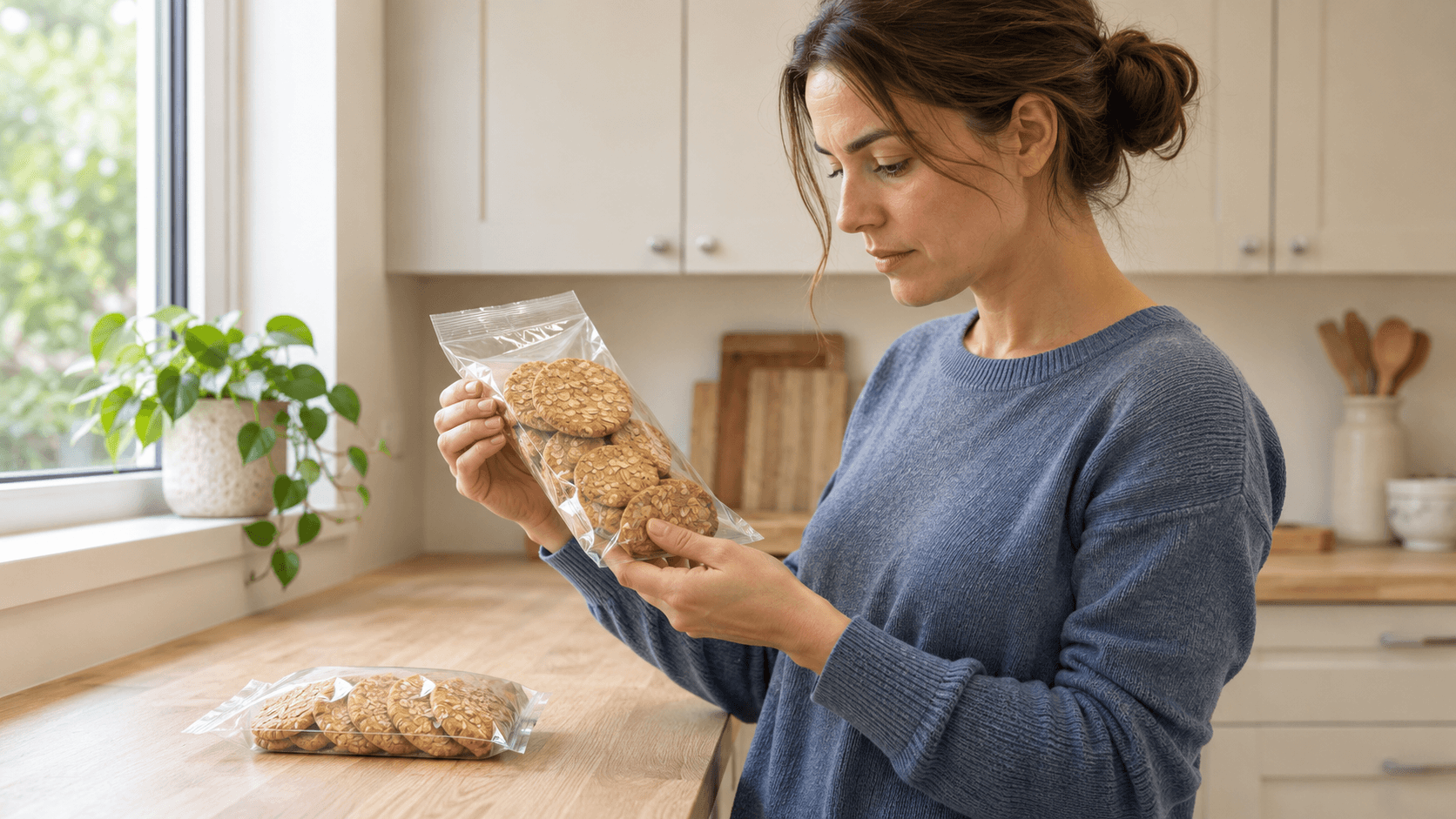
A headline often omits the details that decide whether a package is included. Use the current official notice for the market where the food was sold, and compare:
- The exact product and brand. Similar packaging or a shared manufacturer does not automatically put every product in scope.
- Pack size and identifying codes. Batch numbers and date markings can distinguish affected stock from other production.
- The distribution information. Check the named retailers or locations where the notice provides them.
- The required action. Follow the notice's instructions about not consuming, returning, or disposing of the product, rather than assuming every recall uses the same procedure.
Check for updates if an investigation is continuing. An older screenshot may omit newly added batches or revised instructions. Avoid extending a targeted notice into a claim that every food from the same brand or country is unsafe.
Prevention still matters alongside the response. As our guide to cold chains for perishable food explains, storage and handling must work across the whole journey. A recall adds a way to act when a problem is discovered despite those preventive systems.
When international recall news appears, look for three things: a clearly identified product, a traceable distribution trail, and instructions that reach the people who hold it. The quality of those connections determines whether an alert becomes effective action.
Images are AI-generated conceptual illustrations, not photographs of an actual recall, business, or affected product.