
Why Cold Chains Matter to Global Food Security
Growing more food is only part of feeding people. Learn how cooling, transport, reliable power, and affordable storage keep perishable food usable from harvest to market.
The Harvest Is Not the End of the Journey
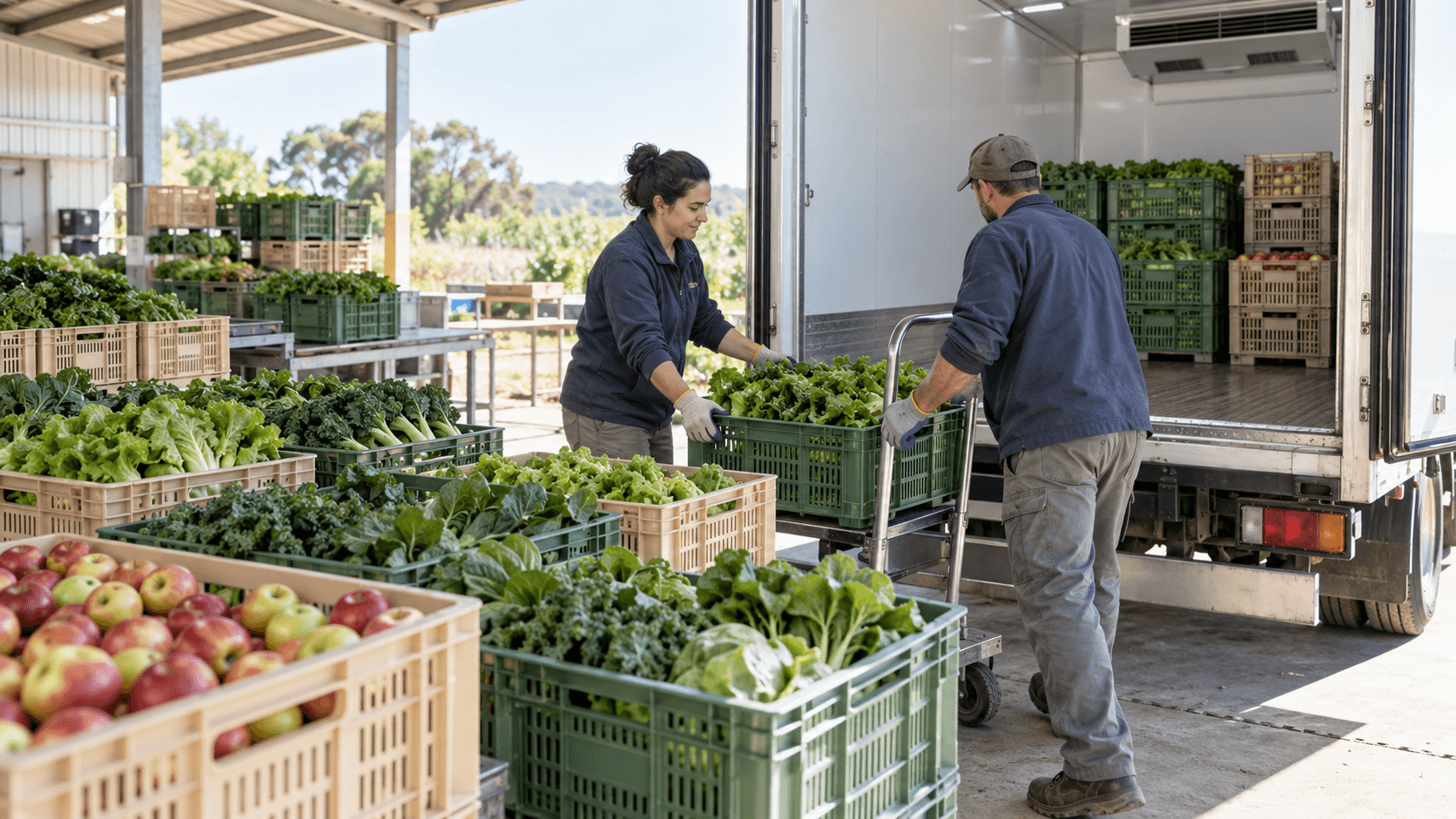
A successful harvest does not guarantee that food reaches a household in usable condition. Fresh vegetables may wait beside a field, travel along a rough road, pass through a wholesale market, and spend another day in a shop. What happens between those stages can determine how much is eventually sold or eaten.
A cold chain is the connected system that keeps temperature-sensitive food under suitable conditions during storage, handling, transport, and sale. It includes refrigeration equipment, but also packaging, power, trained workers, maintenance, and agreements about who does what at each handoff.
The practical purpose is to preserve food that has already been produced. Cooling cannot solve every cause of hunger, but it can help prevent a farm's output from becoming a loss before buyers have a chance to use it. That makes cold chains part of food security, infrastructure policy, and international trade at the same time.
Different Foods Need Different Conditions
"Keep it cold" sounds simple, but there is no universal setting for all food. Frozen products, chilled dairy, fresh fish, and living plant tissue have different requirements. Even among vegetables, the conditions that suit one crop can damage another.
UC Davis postharvest guidance illustrates the distinction: broccoli benefits from storage close to freezing, while bell peppers can suffer chilling injury after prolonged exposure to temperatures that are too low for them. Duration, maturity, variety, and humidity also affect the result. These differences make a mixed load more complicated than a truck carrying one product.
Packaging must protect against physical damage while allowing the cooling method to work. Produce continues to respire after harvest, and some crops release ethylene, a gas that can accelerate changes in sensitive neighboring products. Temperature management therefore belongs alongside decisions about ventilation, moisture, and which foods travel together.
Cooling slows deterioration; it does not restore bruised or spoiled food. Good harvesting and handling remain essential before the refrigeration system starts doing its job.
The First Hours Can Shape the Whole Shipment
Freshly harvested produce may retain heat from the field. Precooling removes that heat promptly using a method appropriate to the crop and available facilities. It is a distinct task from maintaining a product that is already cool.
FAO packing-house guidance explains that refrigerated vehicles and storage rooms are generally designed to maintain low temperatures rather than rapidly cool large amounts of warm produce. Loading a warm harvest into a chilled truck can therefore leave the food warmer than the surrounding air for longer than expected.
Consider an illustrative shipment of leafy vegetables. If it waits in the sun before packing, a refrigerated journey later cannot undo all the quality lost during that delay. Improving the first handoff may be more valuable than buying a more sophisticated truck while leaving the harvest exposed.
This is why planning should start at the field or collection point. Ask when produce is picked, where it waits, how quickly heat is removed, and whether the next stage can maintain those conditions.
Handoffs Are Where the Chain Gets Tested
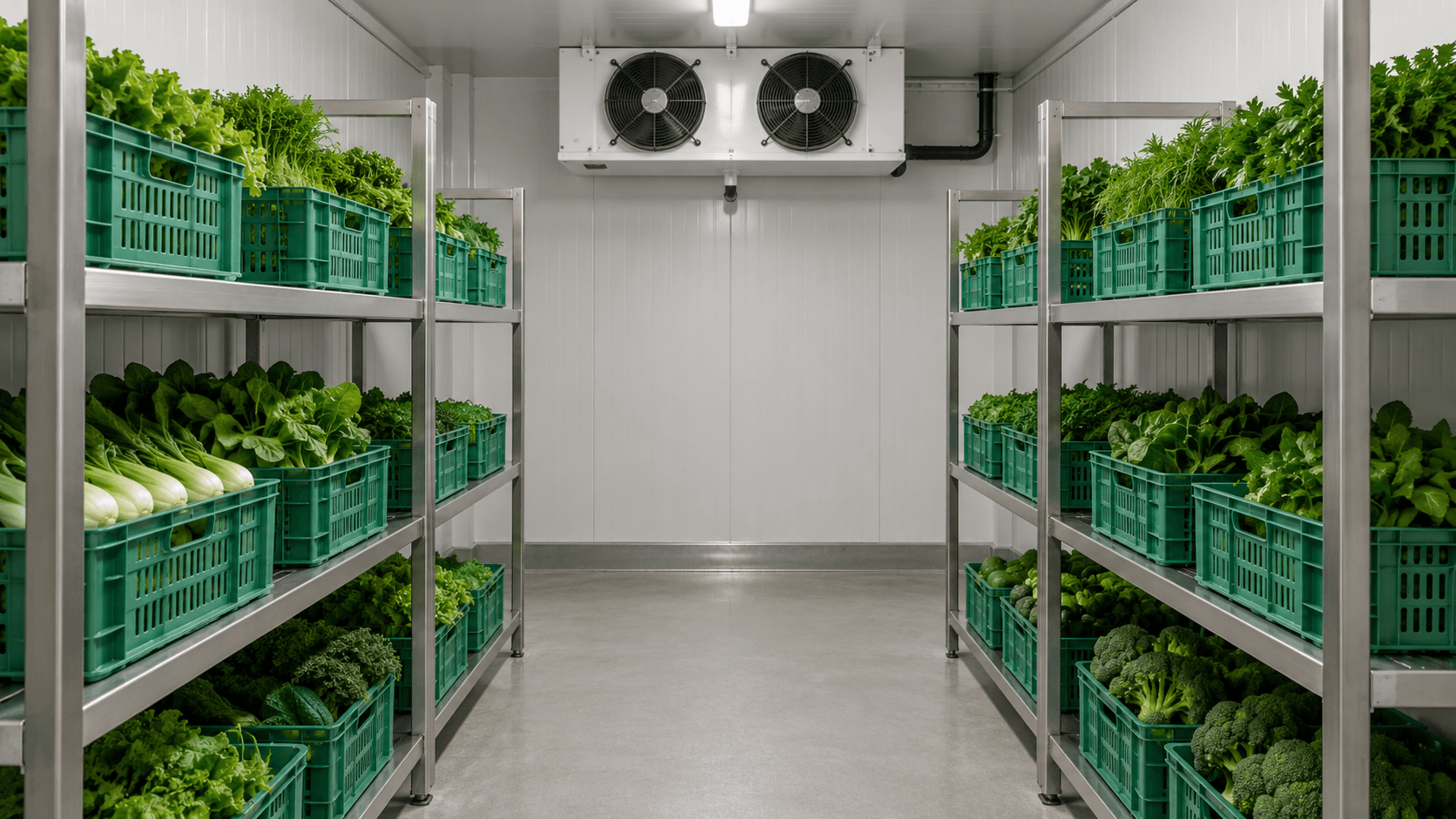
A cold room is one link, not a complete route to the customer. Food must still move through loading areas, vehicles, distribution depots, and retail premises. Short periods of exposure can accumulate across several transfers, especially when a shipment is delayed.
At each handoff, operators need to agree on the required conditions, check the arriving product, and decide who responds if something is wrong. A temperature record is useful only when someone reviews it and can act. The air near a sensor also does not necessarily describe the temperature at the center of every package.
For international shipments, customs inspections and port schedules become part of the operating plan. The effects of maritime shipping chokepoints matter differently to perishable cargo: an extended journey can consume the time in which food remains marketable, even when the refrigeration keeps running.
A credible contingency plan identifies an alternative cold store, a person authorized to arrange it, and the remaining time available. "We will find somewhere if needed" leaves too much unresolved when cargo is already waiting.
Reliable Power and Repair Capacity Are Essential
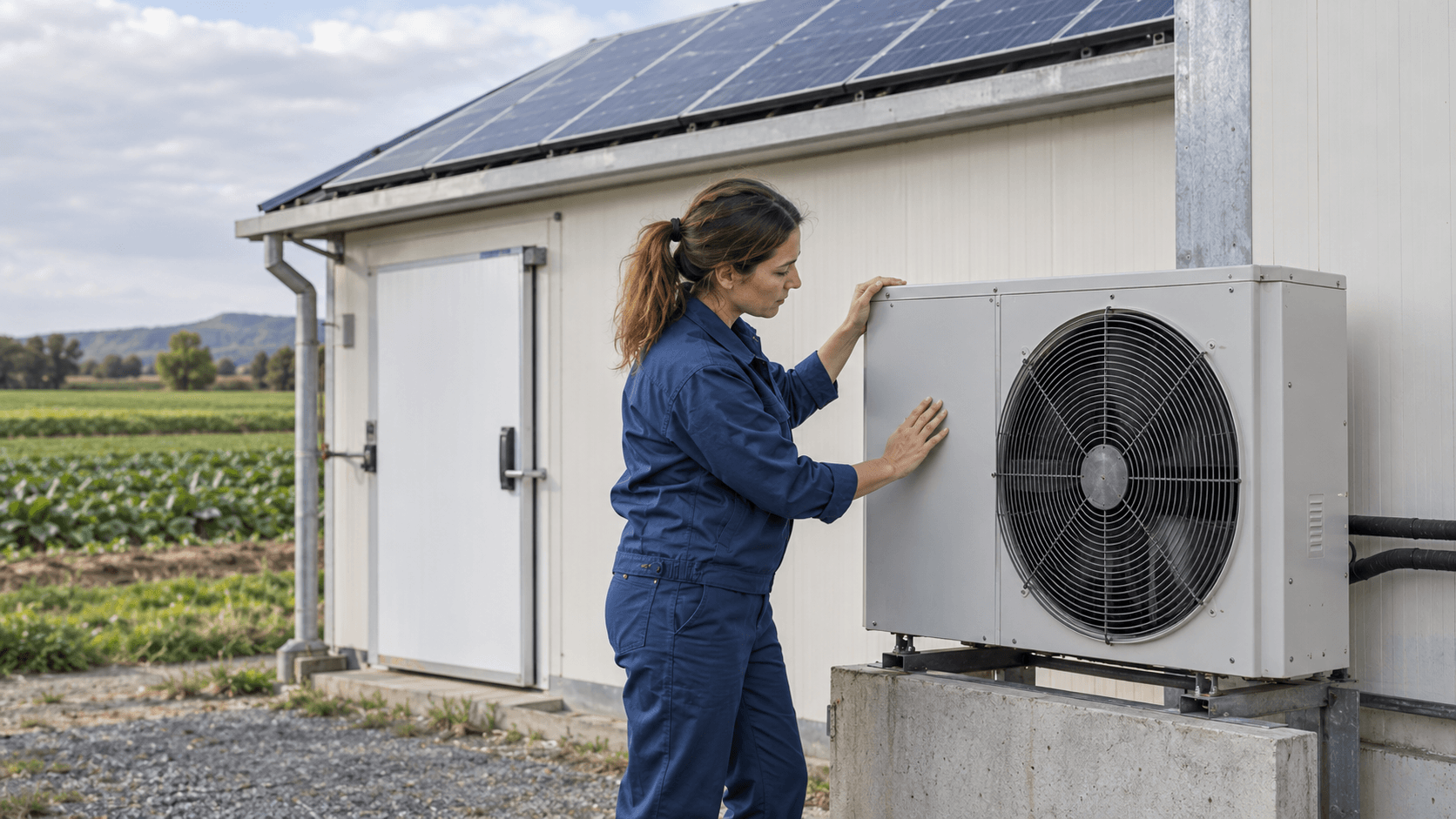
Refrigeration depends on continuing access to energy. FAO identifies unreliable electricity as a constraint on food value chains, particularly for perishable products. A well-built storage room can still fail to deliver its intended benefit if outages repeatedly interrupt cooling.
Energy planning has to match the actual operating conditions. Solar power can support cooling, but panels alone do not establish how a facility will perform overnight or through unfavorable weather. Depending on the design, storage of electricity or cooling, a grid connection, or another backup arrangement may be necessary.
The wider reliability of cross-border electricity networks can support regional energy security. A local depot still needs its own assessment of outages, equipment demand, and how staff will respond.
Maintenance is equally practical. A project needs technicians, spare parts, service access, and money for repairs after installation. Before approving new equipment, ask who will maintain it, how long a replacement component takes to arrive, and what happens to the food while the system is unavailable.
Access Must Make Economic Sense for Farmers
A storage building can stand close to farms and still be inaccessible in practice. Farmers may lack affordable transport to it, have quantities too small for its booking rules, or face charges that outweigh the additional revenue they expect.
Shared facilities and services charged by use can offer alternatives to individual ownership. Their value depends on clear terms: which products are accepted, when space is available, how fees are calculated, and who bears a loss if cooling fails. Seasonal demand matters too. A facility that fills during a short harvest needs a workable operating plan for the rest of the year.
For readers assessing a proposed project, a useful calculation compares the extra value of saleable food with all additional costs, including collection, storage, handling, finance, and delivery. The calculation should use realistic volumes rather than assuming every unit of installed capacity will always be occupied.
Preserving more food may strengthen supply, but it does not guarantee an immediate fall in shop prices. Our explainer on why global food prices and grocery bills move differently traces the other costs and timing effects between production and retail.
More Cooling Has Environmental Tradeoffs
Food that spoils represents more than the lost product. Land, water, energy, and work were used to produce and move it. Avoiding that loss can reduce the resources needed to deliver a given amount of usable food.
Refrigeration also consumes energy, and leaked refrigerants can add greenhouse gas emissions. The UNEP and FAO report Sustainable Food Cold Chains treats these impacts together: expansion should combine lower food losses with efficient equipment, suitable refrigerants, and cleaner energy.
The right comparison is between complete operating systems. An efficient room that has poor access to buyers may not preserve much additional food. A reliable chain with higher electricity use may avoid substantial losses, but still offer room for better insulation, maintenance, or operating practices. Measuring both food outcomes and energy use makes those choices easier to assess.
How to Judge a Cold-Chain Announcement
When a government, development agency, or business announces new cold storage, five questions help separate capacity from practical benefit:
- Which food and which route? Identify the crops or products, collection points, buyers, and transport stages the project will serve.
- Where is food currently being lost? Establish whether the main constraint is heat, handling damage, delays, missing buyers, or something else.
- Will every handoff work? Check precooling, loading, transport, storage, and delivery rather than evaluating the building alone.
- Who can afford to use it? Examine fees, minimum quantities, travel costs, seasonal access, and responsibilities when equipment fails.
- What results will be measured? Look for changes in saleable food, user income, service reliability, energy use, and refrigerant management over time.
Cold chains help connect agricultural production with the people who need food. Their success depends on keeping that connection useful and affordable throughout the journey. Installed refrigeration capacity is a starting point; food arriving in usable condition is the outcome that matters.
Images are AI-generated conceptual illustrations, not photographs of a specific facility or location.